—
## Understanding the Water Supply Disruption
Recently, thousands of residents in Kent and Sussex have faced significant disruptions to their water supply, leading to widespread frustration and concern. This situation, often referred to as “water chaos,” has raised questions about the underlying causes and potential solutions.
### Causes of the Water Supply Disruption
The water supply issues in Kent and Sussex stem from a combination of factors:
1. **Infrastructure Failures**: Aging pipes and water treatment facilities can lead to leaks and service interruptions. Many areas in the UK have infrastructure that has not been updated to meet current demands.
2. **Extreme Weather Conditions**: Heavy rainfall or prolonged dry spells can strain water resources and impact supply. In this instance, recent weather patterns may have contributed to the disruptions, overwhelming local systems.
3. **Increased Demand**: A growing population and higher consumption rates, especially during peak seasons, can outstrip existing water supply capabilities. This increased demand can exacerbate the effects of any infrastructure issues.
### Effects on Customers
The ramifications of this water supply chaos are significant for residents:
– **Daily Inconvenience**: Many households are experiencing interruptions in their water supply, affecting basic daily activities such as cooking, cleaning, and personal hygiene.
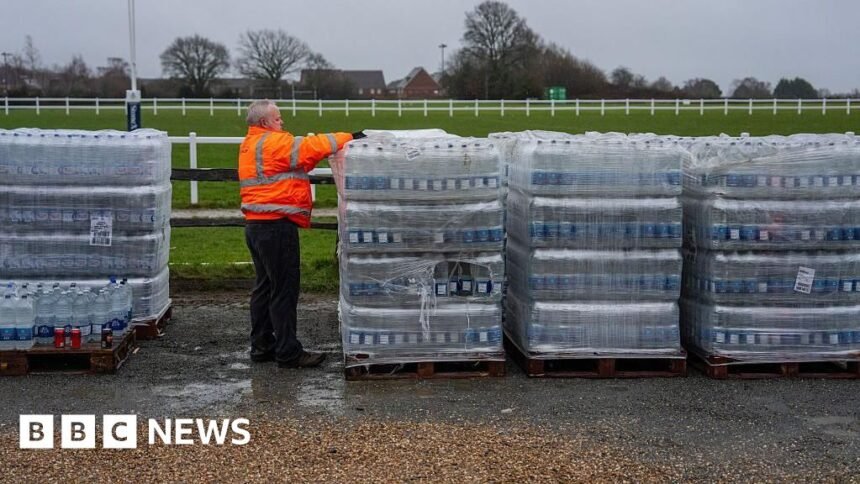
– **Financial Implications**: Water supply disruptions can lead to unexpected expenses, such as purchasing bottled water or relying on alternative sources. This can strain household budgets, particularly for low-income families.
– **Health Concerns**: Access to clean water is critical for health and sanitation. Prolonged disruptions can lead to increased risks of illness, particularly in vulnerable populations.
### What You Can Do
For those affected by the current situation, here are some actionable steps to manage the disruption:
1. **Stay Informed**: Monitor local news and updates from your water supply company. They often provide real-time information on outages and expected restoration times.
2. **Prepare an Emergency Supply**: If you anticipate potential disruptions, consider storing bottled water for drinking and cooking. This can alleviate some of the immediate impacts on your household.
3. **Engage with Local Authorities**: Reach out to your local council or water provider to express your concerns and seek information. Customer feedback can help prioritize repairs and improvements to infrastructure.
4. **Advocate for Infrastructure Investment**: Consider joining community efforts to advocate for better funding and upgrades to local water systems. Engaging with local representatives can help ensure that the issue receives the attention it deserves.
5. **Review Your Water Usage**: In times of scarcity, it can be beneficial to assess your water usage habits. Implementing conservation measures can help reduce demand on the system and ensure that there is enough supply for everyone.
### Conclusion
The recent water supply disruptions in Kent and Sussex highlight the fragility of essential services and the impact of infrastructure challenges on daily life. By understanding the causes and effects of this situation, residents can take proactive steps to mitigate the impact on their lives. Staying informed, preparing for emergencies, and advocating for improvements can empower individuals and communities during these challenging times.