—
### Understanding the Current Unrest in Iran
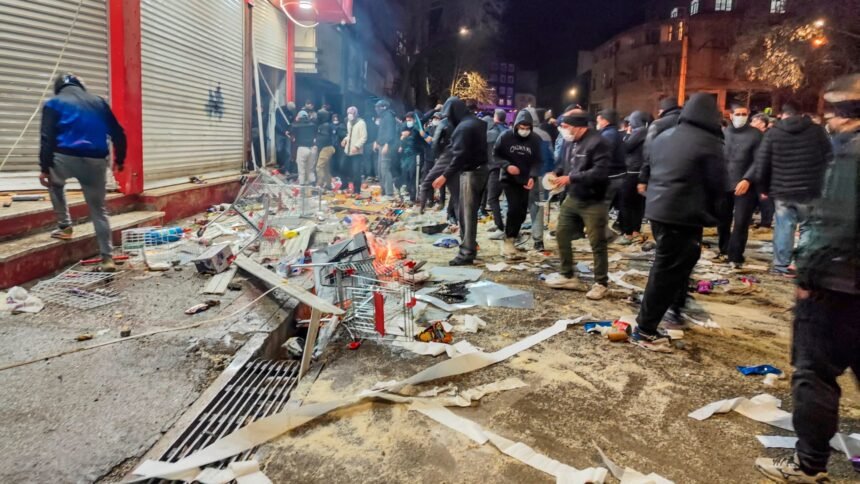
Iran is currently facing significant turmoil, marked by widespread unrest that challenges its Islamic Republic structure. This situation is occurring amid growing internal dissent and mounting external pressures, which are reshaping the political and economic landscape of the country.
### Causes of the Unrest
1. **Economic Hardship**: Iran’s economy has been struggling due to a combination of international sanctions, mismanagement, and corruption. These factors have led to high inflation, rising unemployment, and a depreciating currency, making it increasingly difficult for citizens to afford basic goods and services.
2. **Political Repression**: The Iranian government has a history of suppressing dissent. The lack of political freedoms and human rights abuses have fueled public anger, leading to protests against the ruling regime. Citizens are demanding more democratic governance and better living conditions.
3. **External Sanctions**: International sanctions, particularly from the United States, have severely impacted Iran’s economy. These sanctions target key sectors, including oil exports, which are crucial for revenue. The restrictions have exacerbated the economic challenges that the population faces.
### Effects of Unrest on Iran and Beyond
1. **Economic Instability**: The ongoing unrest is likely to worsen Iran’s economic situation. Investors may shy away from the country due to the unpredictable political climate, leading to reduced foreign direct investment and further economic decline.
2. **Increased Government Crackdown**: In response to the protests, the Iranian government may intensify its crackdown on dissent. This could lead to a cycle of violence and repression, which could further alienate the population and fuel more unrest.
3. **Regional Implications**: Iran’s instability could have broader implications for the Middle East. Neighboring countries may experience spillover effects, including increased refugee flows and heightened tensions. This instability could also impact global oil markets, as Iran is a significant player in oil production.
### Actionable Takeaways for Investors
1. **Monitor Economic Indicators**: Investors should keep a close eye on key economic indicators such as inflation rates, currency fluctuations, and unemployment figures in Iran. These metrics can provide insight into the overall stability of the country and inform investment decisions.
2. **Diversify Investments**: Given the high risk associated with investing in Iran, diversification is crucial. Investors should consider spreading their portfolios across various regions and sectors to mitigate potential losses from Iranian assets.
3. **Stay Informed on Political Developments**: Keeping abreast of political changes in Iran is essential. Developments in domestic policy and international relations can significantly affect the investment climate. Subscribe to reliable financial news sources for real-time updates.
4. **Assess Risk Tolerance**: Before investing in regions experiencing unrest, assess your risk tolerance. High-risk environments can yield high rewards, but they can also result in significant losses. Ensure that your investment strategy aligns with your financial goals and risk appetite.
### Conclusion
The unrest in Iran presents a complex mix of challenges and opportunities for investors and stakeholders. Understanding the underlying causes and potential effects of this unrest is crucial for making informed decisions. By staying informed and strategically managing investments, stakeholders can navigate the uncertainties of the Iranian market effectively.