—
## The US Dollar: A Pillar of Global Finance
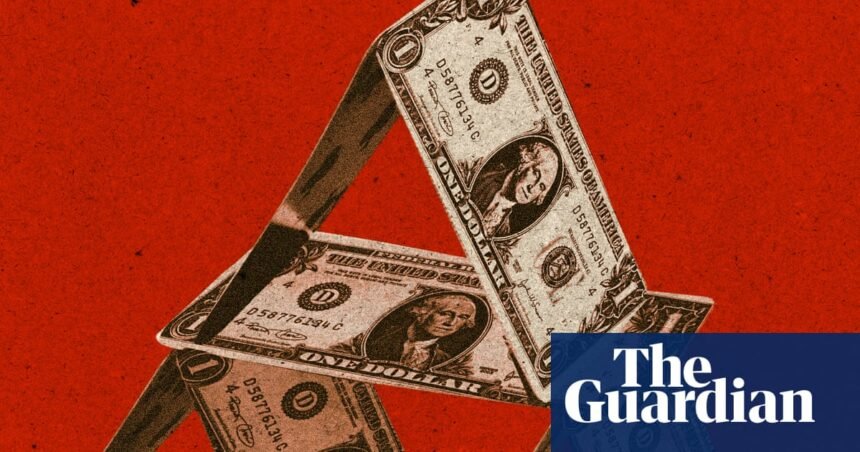
The US dollar is more than just the currency used for everyday transactions; it is the world’s primary reserve currency, meaning that it is widely held by governments and institutions as part of their foreign exchange reserves. This status gives the United States significant influence in global finance, allowing it to borrow money at lower costs and maintain a stable economic environment.
## The Current Administration’s Stance on the Dollar
Recent discussions within the Trump administration suggest a potential shift in policy that could aim to weaken the dollar. While some may see this as an attempt to boost domestic exports by making American goods cheaper overseas, the broader implications could be detrimental. A weaker dollar may initially seem advantageous, but it can lead to several negative consequences.
### Causes: The Push to Weaken the Dollar
The rationale behind weakening the dollar often stems from a desire to enhance the competitiveness of American exports. By making US products cheaper for foreign buyers, the administration hopes to stimulate economic growth and job creation. However, this approach overlooks the complexities of global finance.
### Effects: Threats to Stability and Influence
1. **Global Influence at Risk**: A decline in the dollar’s strength could diminish the United States’ standing as a global economic leader. Other nations may lose confidence in the dollar, seeking alternatives like the euro or yuan, which could alter the balance of power in international trade.
2. **Increased Borrowing Costs**: A weaker dollar can lead to higher inflation, as imported goods become more expensive. As inflation rises, the Federal Reserve may need to increase interest rates to stabilize prices. Higher interest rates translate to increased borrowing costs for businesses and consumers, potentially slowing economic growth.
3. **Market Volatility**: Uncertainty surrounding the dollar’s future can lead to increased volatility in financial markets. Investors may react to shifts in currency strength by reallocating their portfolios, which can result in unpredictable market movements.
## Actionable Takeaways for Investors
1. **Monitor Currency Trends**: Investors should keep an eye on currency fluctuations and economic policies that could impact the dollar. Understanding these trends can help in making informed investment decisions.
2. **Diversify Investments**: To mitigate risks associated with a weakening dollar, consider diversifying your portfolio across different asset classes, including foreign currencies, commodities, and international stocks.
3. **Stay Informed**: Follow economic news and updates from credible sources to remain aware of potential policy changes and their implications for global finance. Knowledge of the economic landscape can guide strategic investment choices.
4. **Evaluate Debt Levels**: For businesses, assessing existing debt levels in relation to potential changes in borrowing costs is crucial. Companies may need to adjust their financial strategies to prepare for an environment of rising interest rates.
## Conclusion
While the intention to weaken the dollar may be rooted in a desire to enhance domestic competitiveness, the consequences could be far-reaching. From diminishing global influence to increased borrowing costs and market volatility, the effects of such a policy could undermine the very strengths that have long defined the US economy. Investors and businesses alike must stay vigilant and adapt to this evolving landscape.