—
### Overview of the Current Situation in Ukraine
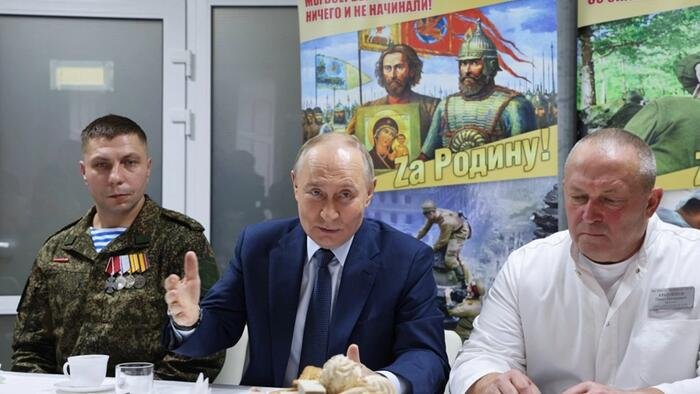
In a significant escalation of tensions in the ongoing conflict, Russian President Vladimir Putin has invited journalists to witness the dire circumstances facing Ukrainian troops in the eastern region of Ukraine, specifically in the cities of Kupyansk and Pokrovsk. This invitation comes as Russian forces have reportedly made inroads into Pokrovsk, a strategic city that could alter the balance of power in the region.
### Key Developments: Russian Gains and Ukrainian Response
Putin’s announcement, made during a live broadcast from Moscow, indicates that Russian troops are attempting to encircle Ukrainian forces in these crucial areas. He stated, “In two places – in Kupyansk and Krasnoarmiysk (the Kremlin’s name for Pokrovsk) – the enemy has been blocked.” This assertion contradicts claims from Western media and Ukrainian officials who maintain that these cities remain unconquered.
The U.S. Ambassador to NATO, Matthew Whitaker, has publicly criticized Russia’s military position, suggesting they appear weak and urging for an end to hostilities. His comments highlight the contrasting narratives coming from both sides of the conflict, which may affect investor perceptions and market stability.
### The Strategic Importance of Pokrovsk
The city of Pokrovsk holds significant strategic value. If Russian forces succeed in fully capturing it, they would gain a crucial logistical advantage, potentially disrupting Ukrainian supply lines and reinforcements in the Donbass region. This could have broader implications for the ongoing conflict, including shifts in military tactics and the overall war effort.
### Media Access and Its Implications
Putin’s offer to allow journalists into the encircled zones is a calculated move to sway public opinion and demonstrate Russian strength. By showcasing the conditions faced by Ukrainian troops, the Kremlin aims to reinforce its narrative of success amidst ongoing criticism. However, the potential for Ukrainian “provocations” during this media access raises concerns about the safety and integrity of coverage, which could further complicate the narrative.
### Economic and Financial Takeaways
1. **Investor Sentiment**: The ongoing conflict and military developments can significantly influence investor sentiment towards Ukrainian and Russian assets. Investors should monitor these developments closely, as escalations may lead to increased volatility in markets related to defense, energy, and commodities.
2. **Geopolitical Risk Assessment**: Understanding the strategic implications of military movements is crucial for risk assessment. Investors should consider the potential for further escalations and the impact on global supply chains, particularly in energy markets, as tensions could lead to sanctions or disruptions.
3. **Opportunities in Defense Stocks**: As military engagements intensify, defense contractors may see increased government spending. Investors could explore opportunities in defense stocks, which typically perform well during periods of heightened geopolitical tension.
4. **Monitoring Media Coverage**: The portrayal of the conflict in media can influence public perception and, consequently, market movements. Investors should pay attention to how narratives shift in response to military developments and media access to conflict zones.
### Conclusion
The situation in Ukraine remains fluid, with significant implications for both regional stability and global financial markets. As Russia continues to assert its military presence, the responses from Ukraine and the international community will be critical in shaping the future of the conflict. Investors and analysts should stay informed and adaptable to navigate the complexities arising from this ongoing crisis.