—
### The Context: US Operations Against Nicolás Maduro
Recent US operations aimed at capturing Venezuelan President Nicolás Maduro and seizing a Russian tanker highlight the intersection of geopolitics and energy resources. Maduro’s regime has been a focal point of US foreign policy, particularly due to its ties with Russia and the control it exerts over Venezuela’s vast oil reserves. This situation serves as a reminder of how political actions can have significant ramifications on global oil markets and energy security.
### The Role of Helicopters in Modern Warfare
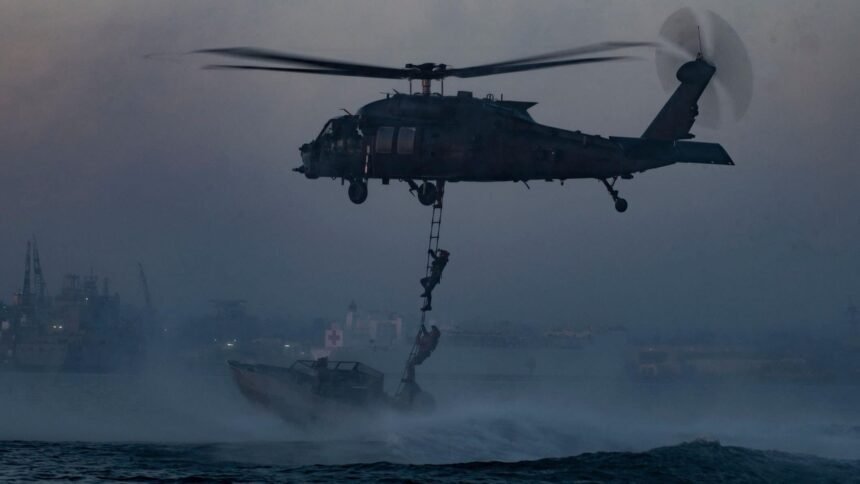
Helicopters have long been recognized as vital assets in modern military operations, providing rapid mobility, reconnaissance, and logistical support. In the context of the US operations against Maduro, helicopters likely played a crucial role in the execution of these missions. Their ability to reach remote locations quickly and support ground troops can make a substantial difference in both the effectiveness and speed of operations.
#### Key Takeaway: Understand the Importance of Air Mobility
For investors and stakeholders in the defense and aviation sectors, the enduring relevance of helicopter technology offers insights into potential investment opportunities. Companies that manufacture or service military helicopters may see increased demand as nations prioritize rapid response capabilities in their military strategies.
### The Geopolitical Landscape and Oil Markets
The implications of these operations extend beyond military strategy; they also impact global oil markets. Venezuela has one of the largest oil reserves in the world, and its political stability is crucial for energy supply chains. Any disruption in this region can lead to volatility in oil prices, affecting everything from gasoline costs for consumers to broader economic indicators.
#### Causes of Oil Market Volatility
1. **Political Instability**: Political unrest or military operations in oil-rich countries can lead to supply concerns, driving prices higher.
2. **International Sanctions**: The US has imposed sanctions on Venezuela, limiting its ability to export oil. This reduces global supply, contributing to price increases.
3. **Strategic Partnerships**: Alliances with countries like Russia complicate the geopolitical landscape, influencing market dynamics.
### The Effects on Consumers and Investors
As oil prices fluctuate due to geopolitical tensions, consumers may feel the pinch at the pump, while investors in energy stocks could see their portfolios affected. For those in the finance sector, understanding these dynamics is crucial for making informed investment decisions.
#### Actionable Takeaway: Monitor Oil Price Trends
Investors should keep an eye on oil price trends and geopolitical developments, particularly in regions with significant oil reserves. Utilizing tools such as futures contracts or ETFs focused on energy can be effective strategies for mitigating risk and capitalizing on market movements.
### Conclusion: The Interplay of Military Actions and Energy Markets
The recent US operations against Nicolás Maduro serve as a stark reminder of the interplay between military actions and energy markets. As geopolitical tensions rise, the long-term effects on oil prices and market stability cannot be underestimated. For investors, staying informed and agile in response to these developments can be key to navigating the complexities of the global energy landscape.
In conclusion, the significance of helicopter technology in military operations underscores the evolving nature of conflict and its direct correlation with economic factors like oil supply and pricing. Understanding these connections is essential for anyone involved in finance, energy, or defense sectors.