—
### The Current State of Britain’s Economy Post-Brexit
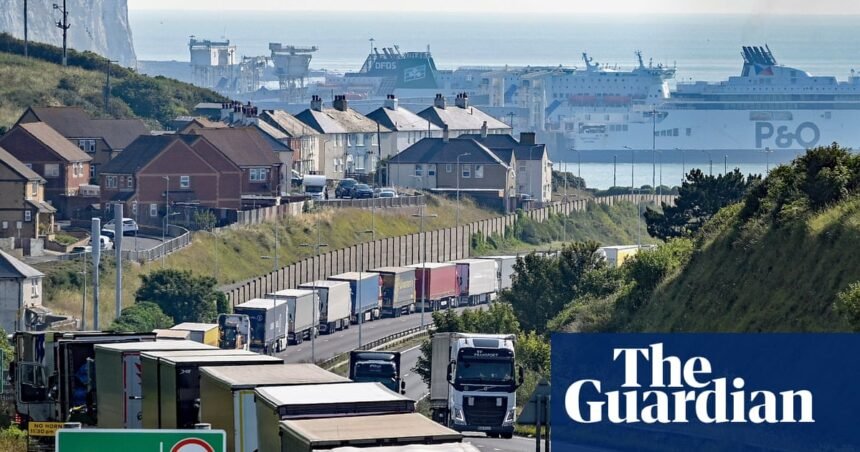
Nearly a decade after the Brexit referendum, the economic landscape in the UK has evolved, but not without challenges. Initially, fears of an immediate economic collapse were widespread. However, while the worst-case scenario did not materialize, the UK has faced significant hurdles, including political instability and the introduction of stricter trade barriers since 2020.
### The Role of Customs Unions
A customs union is an agreement between countries to eliminate tariffs on trade between them while maintaining a common external tariff on imports from non-member countries. This arrangement can simplify trade and reduce costs for businesses operating within the union.
#### Why Is a Customs Union Gaining Attention?
The idea of establishing a customs union has resurfaced as a potential solution to mitigate the adverse effects of Brexit. Advocates argue that such an agreement could:
– **Enhance Trade**: By removing tariffs, businesses could see reduced costs, leading to lower prices for consumers and increased competitiveness.
– **Attract Investment**: A more predictable trading environment could encourage both domestic and foreign investments, stimulating economic growth.
– **Improve Living Standards**: With increased trade and investment, the potential for higher wages and improved services could enhance overall living standards in the UK.
### Challenges in Reaching an Agreement
Despite the potential benefits, reaching a consensus on a customs union is fraught with difficulties. Key challenges include:
1. **Political Divisions**: The UK government remains divided on the issue, with differing opinions on the balance between sovereignty and economic collaboration.
2. **Negotiation Complexities**: Establishing a customs union requires intricate negotiations to define tariff structures, product standards, and member obligations.
3. **Impact on Non-Member Trade**: A customs union could complicate trade relationships with countries outside the union, potentially leading to higher costs for imported goods.
### The Consequences of Inaction
The ongoing political paralysis regarding trade agreements and customs unions has already led to noticeable economic repercussions:
– **Decline in Trade**: Since the introduction of tougher barriers, UK exports to the EU have encountered significant hurdles, leading to reduced trade volumes.
– **Investment Slowdown**: The uncertainty surrounding trade policies has caused many businesses to delay or cancel investment plans, stunting economic growth.
– **Stagnation of Living Standards**: With trade and investment dwindling, the anticipated growth in living standards has not materialized, affecting households across the UK.
### Actionable Takeaways for Businesses
In light of these developments, businesses should consider the following strategies:
– **Stay Informed**: Keep abreast of negotiations regarding a customs union and other trade agreements, as these will directly impact your supply chains and market access.
– **Diversify Supply Chains**: Explore alternative suppliers and markets to mitigate risks associated with trade barriers and ensure greater resilience.
– **Engage with Policymakers**: Actively participate in discussions with industry associations and government representatives to advocate for favorable trade policies that support your business interests.
### Conclusion: The Path Forward
As the UK navigates the complexities of post-Brexit trade, the pursuit of a customs union could offer a path to economic recovery. However, reaching an agreement will require overcoming significant political and logistical challenges. For businesses, staying informed and adaptable will be crucial in this evolving landscape.