

—
# The Role of Economic Cartoons in Finance
Economic cartoons have long served as a unique lens through which complex financial concepts are made more accessible. They simplify intricate ideas, allowing audiences to grasp key economic trends and their implications. In this article, we will explore the significance of these cartoons, highlight essential terms, and provide actionable takeaways for finance professionals and enthusiasts alike.
## What Are Economic Cartoons?
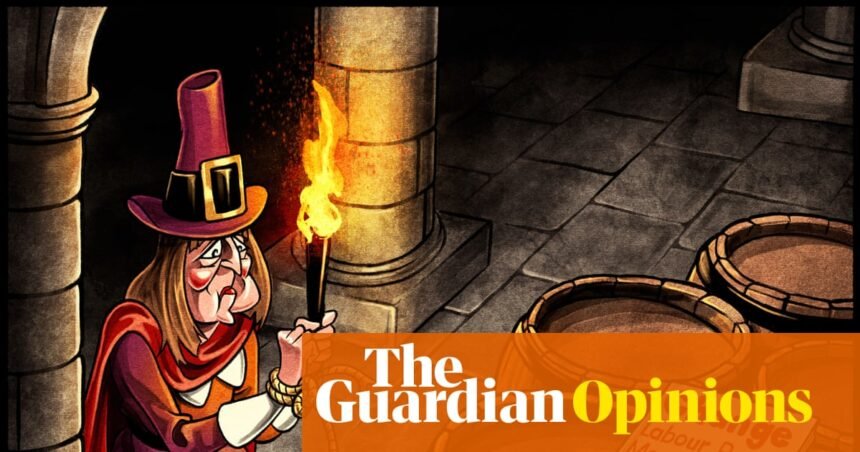
Economic cartoons are illustrations that use humor and satire to comment on financial issues, market dynamics, or economic policies. They often depict current events in a way that highlights the absurdities or contradictions within the economic landscape. For finance professionals, these cartoons can serve as a valuable tool for understanding and communicating market sentiments.
### Key Terms Explained
1. **Economic Indicators**: These are statistics that provide insight into the health of the economy. Common indicators include Gross Domestic Product (GDP), unemployment rates, and inflation. Economic cartoons often reference these indicators to illustrate their impact on everyday life.
2. **Market Sentiment**: This term refers to the overall attitude of investors toward a particular market or asset. Cartoons can capture shifts in market sentiment, providing a visual representation of how public perception may influence economic behavior.
3. **Fiscal Policy**: This involves government spending and tax policies aimed at influencing economic conditions. Cartoons often critique or celebrate fiscal policies, making them easier to comprehend.
4. **Monetary Policy**: This refers to the actions taken by a central bank to control the money supply and interest rates. Economic cartoons may highlight the consequences of monetary policy decisions, such as inflation or recession.
## Causes and Effects Illustrated
Economic cartoons can effectively illustrate the cause-and-effect relationship between various economic events. For instance, a cartoon may depict a government official promoting a new tax cut, with a follow-up image showing citizens struggling with rising debt. This visual storytelling helps audiences understand how policies can lead to unintended consequences.
### The Power of Humor
Humor is a powerful vehicle for conveying serious messages. By using satire, economic cartoons can break down complex concepts into digestible content. This not only makes the information more engaging but also encourages discussions around important financial issues. Finance professionals can leverage this humor to spark conversations in meetings or presentations, making their points more memorable.
## Actionable Takeaways
1. **Stay Informed**: Regularly engage with economic cartoons to stay updated on current events and market trends. They can provide quick insights into public sentiment and prevailing economic narratives.
2. **Use Cartoons in Communication**: Incorporate economic cartoons into your presentations or reports. They can serve as effective visual aids that simplify complex topics and make your arguments more relatable.
3. **Encourage Discussion**: Share relevant cartoons with colleagues or clients to stimulate discussions about economic policies or market trends. This can lead to deeper insights and a better understanding of collective perspectives.
4. **Create Your Own**: If you have a knack for creativity, consider crafting your own economic cartoons. This can be an excellent way to express your understanding of economic concepts while engaging others in a light-hearted manner.
## Conclusion
Economic cartoons are more than just illustrations; they are a powerful means of communicating complex financial concepts. By understanding the key terms and trends they depict, finance professionals can enhance their communication strategies and foster a more informed dialogue around economic issues. Incorporating humor into financial discussions not only makes the subject matter more approachable but also encourages critical thinking and engagement. So, the next time you come across an economic cartoon, take a moment to reflect on the underlying message and its relevance to the financial landscape.




