

—
### Understanding the Upcoming Trump-Xi Trade Talks
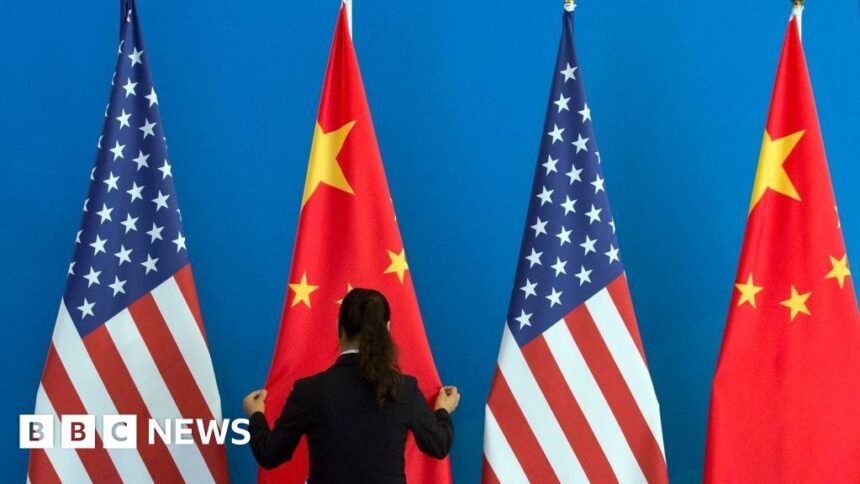
In a significant development for the global economy, U.S. President Donald Trump and Chinese President Xi Jinping are scheduled to meet to discuss a potential trade deal. This meeting comes amid ongoing tensions between the two economic powerhouses and could have substantial implications for international markets and investors.
### Why Are Trade Talks Important?
Trade deals are agreements between countries that dictate the terms of trade, including tariffs, quotas, and trade barriers. These agreements can significantly impact economic growth, inflation rates, and job markets in both countries involved. For investors, understanding the dynamics of these talks is crucial, as they can influence stock prices, currency valuations, and commodity markets.
### Current Context: U.S.-China Trade Relations
The relationship between the U.S. and China has been characterized by tariffs and trade barriers over the past few years. The U.S. has imposed tariffs on a variety of Chinese goods, aiming to reduce the trade deficit and protect American industries. In response, China has enacted its own tariffs, leading to a tit-for-tat trade war that has affected global supply chains and market confidence.
### Causes of the Trade Talks
Several factors have prompted this meeting between Trump and Xi:
1. **Economic Pressures**: Both countries are feeling the economic strain from ongoing trade tensions. The U.S. economy has shown signs of slowing growth, while China is grappling with its own economic challenges, including a decline in exports and domestic consumption.
2. **Global Market Stability**: Uncertainty around U.S.-China trade relations has led to volatility in global markets. Investors are keen for clarity, as ongoing tensions can lead to market downturns.
3. **Political Considerations**: With looming elections and economic performance being a critical factor for both leaders, resolving trade disputes could bolster their political standing at home.
### Potential Outcomes of the Meeting
The upcoming talks could lead to several potential outcomes:
– **A Comprehensive Trade Agreement**: If both parties reach a consensus, it could result in the lifting of tariffs and increased trade, benefiting both economies and boosting investor confidence.
– **Partial Agreements**: The leaders may agree on specific sectors, such as agriculture or technology, which could mitigate some tensions but leave other issues unresolved.
– **Stalemate**: If the talks fail, we could see an escalation in tariffs, leading to further market volatility and economic repercussions.
### Actionable Takeaways for Investors
1. **Stay Informed**: Keep an eye on news updates regarding the Trump-Xi meeting. Any announcements can lead to immediate market reactions.
2. **Diversify Investments**: Given the unpredictability of trade negotiations, consider diversifying your portfolio to mitigate risks associated with market volatility.
3. **Focus on Sectors Impacted by Trade**: Certain sectors, such as technology, agriculture, and manufacturing, may experience more significant effects from trade agreements. Monitor these industries closely for investment opportunities.
4. **Consider Currency Fluctuations**: Trade agreements can impact currency values. Be aware of how changes in the U.S.-China trade relationship might affect the dollar and the yuan, especially if you have international investments.
### Conclusion
The upcoming meeting between President Trump and President Xi Jinping represents a pivotal moment for global trade and economic stability. Understanding the potential outcomes and their implications can help investors make informed decisions in a rapidly changing economic landscape. As negotiations unfold, staying informed and adaptable will be key to navigating the complexities of U.S.-China trade relations.




