—
# Shoppers Shift: Decline in High Street Visits Signals Changing Consumer Behavior
## Overview of the Decline in Foot Traffic
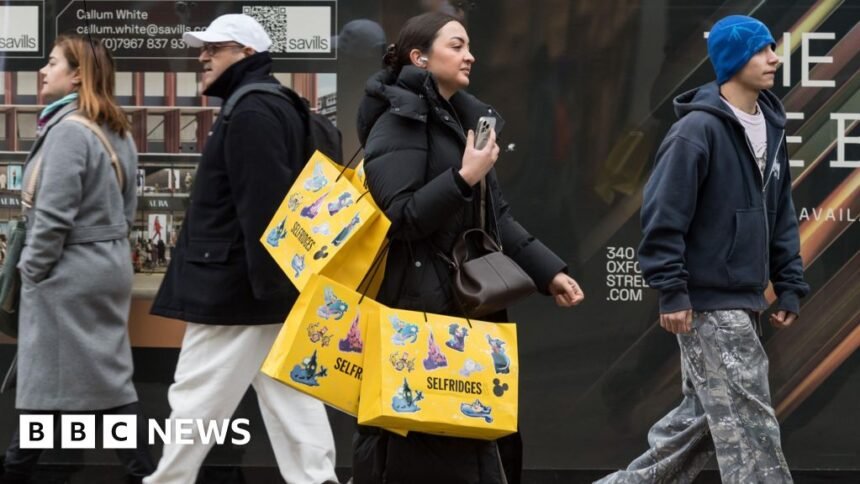
Recent reports indicate a notable decrease in the number of shoppers visiting high streets and shopping centers compared to last year. While consumers continue to hunt for bargains, the trend suggests a significant shift in shopping behaviors, raising questions about the future of brick-and-mortar retail.
## Causes of the Decline
### 1. Rise of E-commerce
The rapid growth of online shopping is one of the primary drivers behind the decline in high street visits. Consumers have increasingly turned to digital platforms for convenience, variety, and often better deals. This shift has been accelerated by advancements in technology and changing consumer preferences, particularly post-pandemic.
### 2. Economic Pressures
Inflation and rising living costs have forced many consumers to tighten their budgets. As a result, shoppers are prioritizing essential purchases and seeking out the best deals, often online rather than in-store. This financial strain can lead to fewer discretionary purchases that would typically occur in physical retail environments.
### 3. Changing Consumer Preferences
The way people shop is evolving. Many consumers now prefer experiences over material goods, leading to a decline in traditional shopping outings. Additionally, a heightened focus on sustainability and ethical shopping has prompted some shoppers to seek out local or online alternatives that align with their values.
## Effects on Retailers
### 1. Increased Competition
With fewer shoppers flocking to physical stores, retailers face heightened competition from e-commerce giants. Traditional retailers must adapt by enhancing their online presence and offering seamless omnichannel experiences that integrate both online and offline shopping.
### 2. Shift in Marketing Strategies
Retailers are increasingly focusing on digital marketing to reach consumers where they are spending their time. This includes targeted social media campaigns, influencer partnerships, and personalized email marketing to engage bargain-hunting shoppers more effectively.
### 3. Store Closures and Restructuring
As foot traffic declines, some retailers may be forced to close underperforming stores or restructure their business models. This could lead to job losses in the retail sector, further impacting local economies. Retailers must evaluate their brick-and-mortar strategies and consider innovative ways to attract customers back into stores.
## Actionable Takeaways for Investors and Retailers
### 1. Embrace E-commerce
Investors should consider companies that are successfully integrating e-commerce into their business models. Retailers need to invest in their online platforms and logistics to cater to the growing demand for convenience and quick delivery.
### 2. Focus on Customer Experience
Retailers must enhance the in-store experience to entice shoppers back. This could involve creating engaging environments, offering exclusive in-store promotions, or providing exceptional customer service to differentiate themselves from online competitors.
### 3. Analyze Market Trends
Both investors and retailers should stay informed about shifting consumer behaviors and economic indicators. Understanding these trends can help identify opportunities for growth and adaptation, whether through new product offerings or strategic partnerships.
## Conclusion
The decline in high street visits highlights a significant transformation in consumer behavior, driven by e-commerce growth, economic pressures, and changing preferences. Retailers and investors must adapt to this new landscape by embracing digital strategies and enhancing customer experiences to thrive in an increasingly competitive market.