—
### Understanding the Restorative Justice Scheme
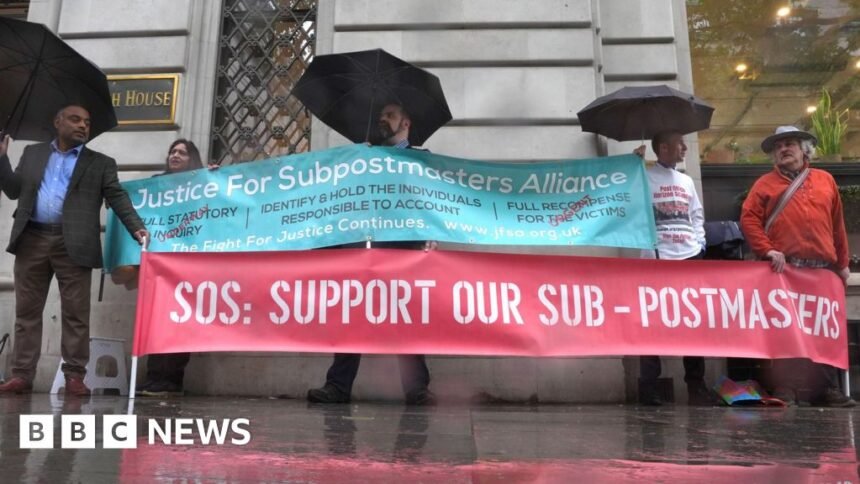
The recent announcement of a restorative justice scheme for subpostmasters marks a significant step forward in addressing the injustices faced by these individuals. This initiative will facilitate direct interactions between subpostmasters, Fujitsu, and Post Office executives, aiming to foster accountability and healing.
### Background: What Happened?
Subpostmasters, who run local Post Office branches, were embroiled in a scandal stemming from faulty accounting software developed by Fujitsu. Many were wrongfully accused of theft and fraud due to discrepancies that were actually caused by the software. This led to severe personal and financial repercussions for those affected, including loss of livelihood, reputational damage, and, in some tragic cases, imprisonment.
### The Role of Restorative Justice
Restorative justice focuses on repairing harm and fostering dialogue between victims and those responsible. In this context, the scheme will offer subpostmasters the chance to meet with high-ranking officials from Fujitsu and the Post Office. The objectives are clear:
– **Acknowledgment of Wrongdoing**: By meeting face-to-face, executives will have an opportunity to acknowledge the impact of their actions and the failures of the systems in place.
– **Building Trust**: These meetings aim to rebuild trust between the Post Office, Fujitsu, and the subpostmasters, which has been severely damaged over the years.
– **Future Prevention**: Engaging in open conversations may lead to concrete measures that prevent similar issues in the future, ensuring that technology and operational protocols are more reliable.
### Implications for Stakeholders
The implications of this scheme extend beyond just the subpostmasters involved. Here are some key takeaways for various stakeholders:
1. **For Subpostmasters**: This is a chance to have their voices heard and to seek closure on a traumatic chapter. Those interested in participating should prepare to articulate their experiences clearly and constructively.
2. **For Fujitsu and Post Office Executives**: This initiative presents an opportunity to demonstrate corporate responsibility. Transparent communication and a willingness to make amends can improve public perception and restore confidence in their brands.
3. **For Investors and Shareholders**: This scheme may impact the financial health of the Post Office and Fujitsu. Stakeholders should monitor how these meetings influence public sentiment and operational changes, which could affect stock performance and market reputation.
4. **For Policymakers**: The scheme highlights the need for stronger oversight and accountability in corporate practices, particularly in technology deployment. Lessons learned here could inform future regulations to protect consumers and small business operators.
### Actionable Insights
– **Stay Informed**: Follow updates on the restorative justice scheme and its outcomes. Understanding the developments will help you gauge the effectiveness of corporate accountability measures.
– **Engage in Dialogue**: If you are a subpostmaster or know someone affected by the scandal, consider participating in the restorative justice meetings. Your perspective matters in shaping future policies.
– **Advocate for Change**: Support initiatives that demand better oversight for technology used in financial operations. Encourage transparency and accountability in corporate practices.
– **Monitor Financial Impacts**: Keep an eye on how this scheme may affect the financial standing and public perception of Fujitsu and the Post Office. Changes in these companies can have wider implications for the market.
### Conclusion
The restorative justice scheme for subpostmasters represents a pivotal moment in acknowledging past wrongs and fostering a path toward accountability and healing. By engaging in meaningful dialogue, stakeholders can work together to ensure that such injustices do not occur again. For those affected, this initiative is not just about seeking justice, but also about paving the way for a more equitable future in corporate governance.