—
## Understanding the Ransomware Attack on Asahi
In September, Asahi Group Holdings, one of Japan’s leading beverage companies, fell victim to a ransomware attack that severely disrupted its operations. Ransomware is a type of malicious software that encrypts a victim’s files, rendering them inaccessible until a ransom is paid. This incident not only affected Asahi’s internal processes but also led to a significant shortage of its products in the market.
### The Immediate Effects on Asahi’s Operations
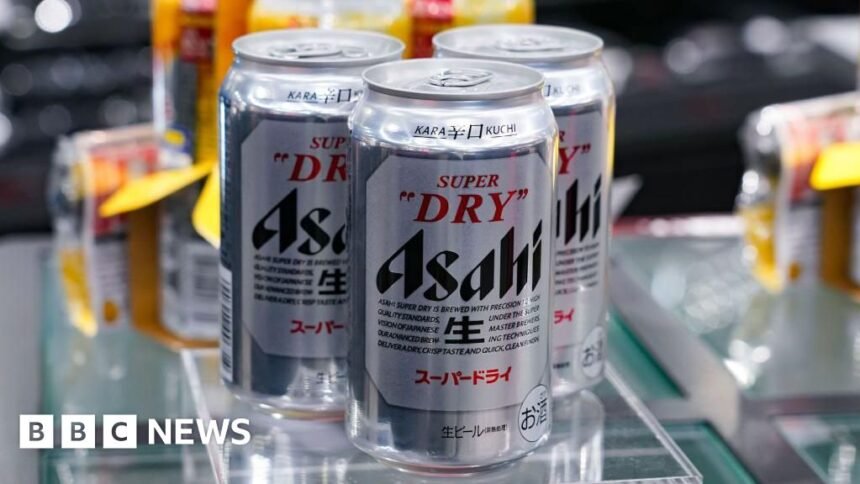
The ransomware attack had immediate and far-reaching consequences for Asahi. The company’s production facilities in Japan were rendered inoperable, leading to delays in manufacturing and distribution. As a result, consumers faced a shortage of Asahi’s popular beverages, which include beer, soft drinks, and other alcoholic products.
The operational disruption also created a ripple effect in the supply chain. Retailers and distributors, dependent on Asahi’s products, experienced stock shortages, which could lead to lost sales and a damaged reputation. This incident underscores the vulnerability of even established companies to cyber threats, highlighting the need for robust cybersecurity measures.
### Causes of the Ransomware Attack
While the specific details of how the ransomware infiltrated Asahi’s systems are still under investigation, several factors commonly contribute to such attacks:
1. **Inadequate Cybersecurity Protocols**: Many organizations underestimate the importance of cybersecurity, often leaving their systems vulnerable to attack.
2. **Phishing Attempts**: Cybercriminals frequently use phishing emails to trick employees into providing access to sensitive information or downloading malicious software.
3. **Outdated Software**: Companies that do not regularly update their software and security systems may expose themselves to vulnerabilities that attackers can exploit.
Understanding these causes can help businesses develop a proactive approach to cybersecurity and minimize the risk of similar incidents.
### Long-term Implications for the Beverage Industry
Asahi’s ransomware attack may have broader implications for the beverage industry and beyond. Companies in this sector must recognize that cyber threats are not just an IT issue; they can impact production, supply chain management, and customer satisfaction. The incident serves as a wake-up call for businesses to reassess their cybersecurity strategies.
### Actionable Takeaways for Businesses
To safeguard against future cyber attacks, businesses should consider the following actionable steps:
1. **Invest in Cybersecurity Training**: Regular training for employees on recognizing phishing attempts and understanding cybersecurity protocols can significantly reduce the risk of attacks.
2. **Implement Robust Security Measures**: Companies should invest in up-to-date security software, firewalls, and intrusion detection systems to protect sensitive data.
3. **Regular Software Updates**: Ensuring that all software and systems are regularly updated can help close security gaps that cybercriminals might exploit.
4. **Develop an Incident Response Plan**: Having a clear plan in place for responding to cyber incidents can minimize damage and ensure a quicker recovery.
5. **Engage Cybersecurity Experts**: Partnering with cybersecurity professionals can provide businesses with the expertise needed to identify vulnerabilities and implement effective security measures.
### Conclusion
The ransomware attack on Asahi serves as a critical reminder of the importance of cybersecurity in today’s digital landscape. By understanding the causes and effects of such incidents, businesses can take proactive measures to protect themselves and their consumers. As the threat of cybercrime continues to evolve, organizations must prioritize their cybersecurity strategies to safeguard their operations and maintain customer trust.