—
### Rail Operators Enhance Services: What It Means for Travelers and Investors
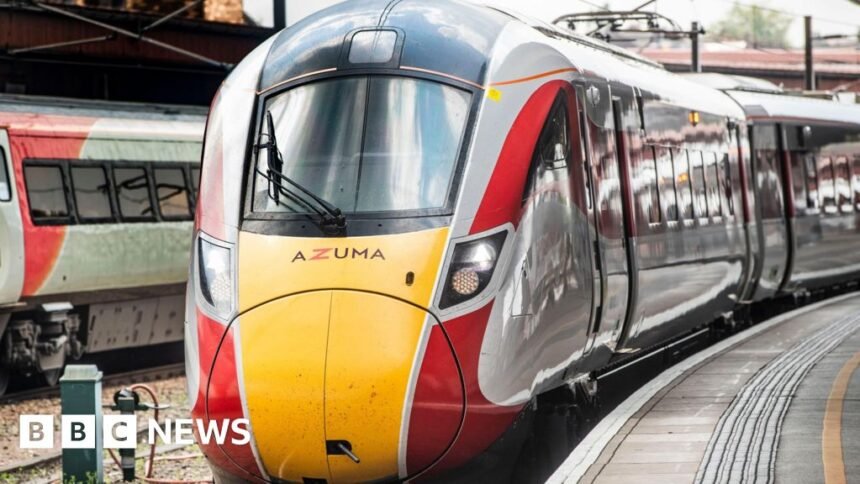
In a recent announcement, rail operators have committed to improving services across their networks, promising more frequent trains and quicker journeys on select routes. This strategic move is designed to enhance customer satisfaction and attract more passengers, but it also has significant implications for investors and the broader transportation sector.
### Understanding the Promises: More Services and Faster Journeys
**More Services**
Rail operators are pledging to increase the frequency of their services. This means that passengers can expect more trains running throughout the day, reducing wait times and making it easier to travel at convenient hours. For example, if a commuter previously had to wait 30 minutes for the next train, they may now find a train arriving every 15 minutes.
**Faster Journeys**
In addition to increased frequency, some routes will see reduced travel times. This could involve improvements in train technology, better scheduling, or upgrades to the tracks themselves. Faster journeys mean that long commutes will become less burdensome, potentially attracting more daily travelers.
### Causes: What’s Driving These Changes?
Several factors are influencing rail operators to enhance their services:
1. **Increased Demand**: As economies recover from the impacts of the pandemic, more people are returning to work and seeking reliable transportation. Rail operators are responding to this surge in demand by expanding their offerings.
2. **Government Support**: Many governments are investing in public transportation to reduce traffic congestion and promote environmentally friendly travel options. This support often comes with funding for infrastructure improvements, allowing rail operators to implement changes more effectively.
3. **Technological Advancements**: Innovations in rail technology, such as high-speed trains and improved signaling systems, enable operators to reduce travel times while ensuring safety and reliability.
### Effects: Implications for Commuters and Investors
**For Commuters**
The enhanced services are likely to improve the overall travel experience for commuters. With more trains and shorter journey times, passengers can enjoy greater convenience and flexibility. This could lead to increased ridership, benefitting the rail operators financially.
**For Investors**
Investors should take note of these changes, as they may present new opportunities in the rail sector. Here’s what to consider:
– **Stock Performance**: Companies that successfully implement these enhancements may see their stock prices rise due to increased ridership and revenue. Monitoring rail operators’ performance can provide insights into potential investment opportunities.
– **Infrastructure Investments**: Companies involved in rail infrastructure, such as construction and technology firms, may benefit from government contracts aimed at improving rail networks. Investing in these ancillary businesses could yield returns as rail operators upgrade their services.
### Actionable Takeaways
1. **Stay Informed**: Keep an eye on announcements from rail operators and government agencies regarding service improvements. Understanding these developments can help you make informed decisions, whether you’re a commuter or an investor.
2. **Consider Investment Opportunities**: If you’re interested in investing, research rail operators and related companies that are poised to benefit from these changes. Look for firms that demonstrate a strong commitment to improving services and customer satisfaction.
3. **Evaluate Personal Travel Plans**: If you rely on rail for commuting, consider how these changes might affect your travel plans. With more frequent services and faster journeys, now may be a great time to reassess your daily commute or travel schedule.
In conclusion, the commitment from rail operators to enhance services is a positive development for both commuters and investors. By understanding the causes and effects of these changes, individuals can navigate the evolving transportation landscape more effectively.