

—
### Understanding the Context: Rachel Reeves and Gulf Trade Relations
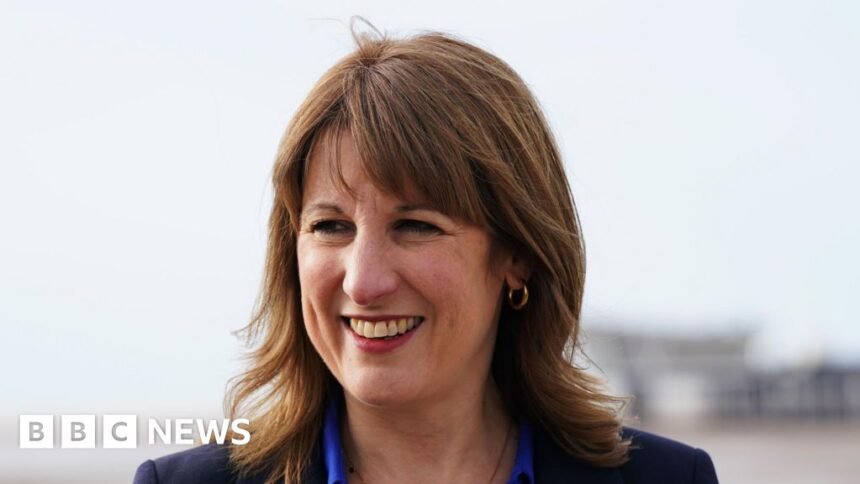
Rachel Reeves, the UK’s Shadow Chancellor, recently embarked on a visit to Gulf countries with the goal of establishing a broader trade agreement. This initiative reflects the UK’s strategic interest in strengthening economic ties with the Gulf region, which has become increasingly vital for international trade.
### What is a Trade Agreement?
A trade agreement is a legal arrangement between countries that outlines the terms of trade, including tariffs, import quotas, and regulations. These agreements aim to facilitate smoother trade by reducing barriers, thus enhancing the flow of goods and services between nations.
### Why the Gulf Region?
The Gulf countries, including Saudi Arabia, the United Arab Emirates, and Qatar, are among the fastest-growing economies in the world, driven by substantial oil reserves and investments in various sectors. These nations are looking to diversify their economies away from oil dependence, creating opportunities for international trade partners.
### Causes of the Initiative
1. **Economic Diversification in the Gulf**: Gulf countries are actively pursuing economic diversification, investing in sectors such as technology, renewable energy, and tourism. This shift presents a significant opportunity for the UK, traditionally strong in these areas.
2. **Post-Brexit Trade Strategy**: Following Brexit, the UK is keen to establish new trade relationships outside the European Union. Strengthening ties with Gulf nations aligns with the UK’s broader strategy to enhance global trade partnerships.
3. **Political Stability and Investment**: Political stability in the Gulf region makes it an attractive destination for UK businesses looking to invest. The potential for long-term partnerships could lead to increased exports and job creation in the UK.
### Effects of a Broader Trade Agreement
1. **Increased Exports**: A successful trade agreement could lead to a significant increase in UK exports to Gulf countries. This could benefit various sectors, including pharmaceuticals, technology, and education, by opening new markets.
2. **Economic Growth**: Enhanced trade relations can stimulate economic growth in the UK. Increased exports often result in higher production levels, which can lead to job creation and increased investment in the economy.
3. **Strengthened Political Ties**: Improved economic relationships can also lead to stronger political ties, allowing for more collaborative efforts in areas such as security and environmental issues.
### Actionable Takeaways for Businesses
1. **Explore New Markets**: UK businesses, particularly those in technology, renewable energy, and education, should consider exploring opportunities in Gulf countries. Researching market entry strategies can help businesses capitalize on this growing trade environment.
2. **Stay Informed**: Keep abreast of developments regarding the trade agreement. Understanding the terms and potential benefits can help businesses prepare for changes in export regulations and tariffs.
3. **Network with Trade Organizations**: Engaging with organizations that specialize in international trade can provide valuable insights and connections. These organizations can assist businesses in navigating the complexities of entering new markets.
4. **Invest in Trade Training**: Companies should invest in training their teams on international trade practices and cultural nuances of Gulf countries. This knowledge can facilitate smoother transactions and partnerships.
### Conclusion
Rachel Reeves’ efforts to foster a broader trade agreement with Gulf countries could represent a significant opportunity for the UK economy. By understanding the implications of such agreements and taking proactive steps, businesses can position themselves to benefit from enhanced trade relations. As the global economic landscape continues to evolve, being adaptable and informed will be crucial for success in international markets.





