—
### The Shift to Battery Storage in the Solar Industry
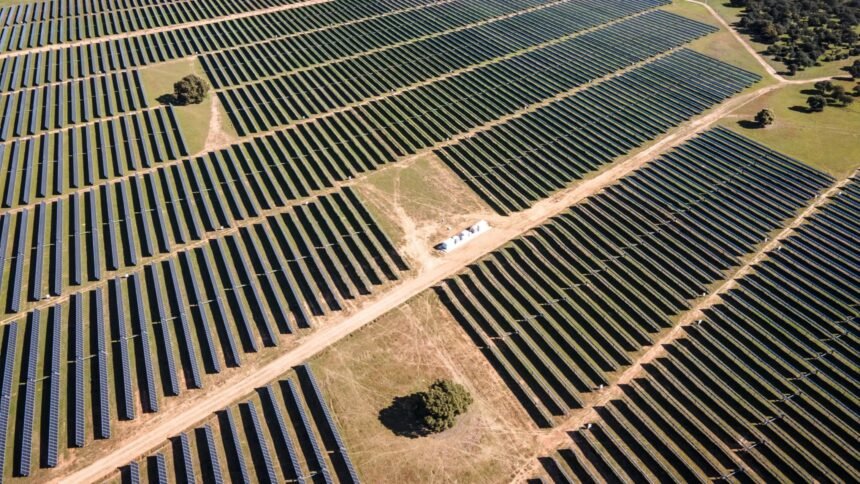
In recent years, many solar farms have struggled to turn a profit due to fluctuating energy prices and high operational costs. In response, power producers are increasingly adopting battery storage systems as a strategic solution to enhance the viability of these renewable energy projects. This pivot not only aims to stabilize revenues but also addresses the growing demand for reliable and sustainable energy sources.
### Understanding the Problem: Unprofitable Solar Farms
Solar energy has long been hailed as a clean and sustainable alternative to fossil fuels. However, several factors have led to the underperformance of solar farms:
1. **Intermittent Energy Production**: Solar farms generate electricity only when sunlight is available, which can lead to periods of low output, especially during cloudy days or at night.
2. **Market Volatility**: Energy prices can fluctuate significantly, making it challenging for solar farms to predict revenues accurately.
3. **High Maintenance Costs**: The operational costs of maintaining solar panels and infrastructure can erode profit margins.
### The Role of Battery Storage
Battery storage systems are emerging as a crucial technology for addressing these challenges. Here’s how they work and the benefits they bring:
– **Energy Storage**: Batteries can store excess energy generated during peak sunlight hours and discharge it during low production periods. This capability ensures a more consistent energy supply, reducing reliance on the grid.
– **Cost Management**: By storing energy when prices are low and selling it when prices are high, power producers can optimize their revenues. This strategy can significantly improve the financial outlook for struggling solar farms.
– **Grid Stability**: Battery storage contributes to grid reliability, especially as more renewable sources like solar and wind come online. Stable energy supplies can attract more investment into the renewable sector.
### Causes of the Shift
The move towards battery storage is driven by several key factors:
1. **Technological Advancements**: Recent innovations in battery technology have reduced costs and improved efficiency, making it more feasible for power producers to implement these systems.
2. **Regulatory Support**: Governments are increasingly incentivizing the integration of battery storage into energy systems, recognizing its potential to enhance grid stability and support renewable energy goals.
3. **Investor Demand**: Investors are showing a growing interest in sustainable energy solutions. Projects that incorporate battery storage are often viewed as more resilient and financially sound, attracting more capital.
### Implications for the Energy Market
The integration of battery storage into solar farms has far-reaching implications for the energy market:
– **Increased Investment Opportunities**: As battery storage becomes more prevalent, there will be new investment opportunities in both solar and energy storage technologies.
– **Enhanced Energy Resilience**: Communities that adopt battery storage solutions will benefit from a more reliable energy supply, reducing the risk of outages and energy shortages.
– **Market Competition**: The combination of solar energy and battery storage will increase competition among energy providers, potentially leading to lower prices for consumers.
### Actionable Takeaways for Investors
Investors looking to capitalize on the shift towards battery storage in solar energy should consider the following strategies:
1. **Research Companies**: Identify power producers who are actively investing in battery storage technologies. Companies that are early adopters could yield significant returns as the market grows.
2. **Diversify Portfolios**: Consider diversifying investments to include both solar and battery storage firms, as combined technologies are likely to outperform those focused solely on solar energy.
3. **Stay Informed**: Keep an eye on regulatory changes and technological advancements in the renewable energy sector. Being informed will help you make timely investment decisions.
### Conclusion
The pivot towards battery storage among power producers represents a vital strategy for enhancing the profitability of solar farms. By addressing the challenges of intermittent energy production and market volatility, battery storage not only stabilizes revenue streams but also contributes to a more sustainable energy future. Investors should take note of this trend, as it presents new opportunities in the evolving landscape of renewable energy.