—
## The Intersection of Technology and Agriculture
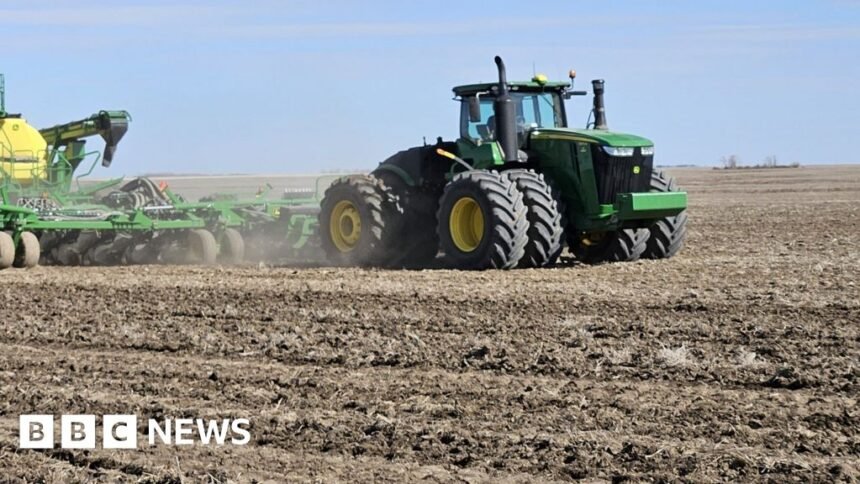
In recent years, the agricultural sector has witnessed an influx of innovative technologies aimed at increasing productivity and reducing food costs. This transformation is not only reshaping how farmers operate but also has significant implications for food prices and global markets.
### Key Technologies Revolutionizing Farming
Several technologies are at the forefront of this agricultural revolution, including:
1. **Precision Agriculture**: This involves using GPS and data analytics to optimize field-level management regarding crop farming. By analyzing data on soil conditions, weather patterns, and crop health, farmers can make informed decisions that enhance yields.
2. **Drones and Aerial Imaging**: Drones equipped with cameras and sensors provide real-time data on crop conditions. This technology allows farmers to monitor large areas quickly, enabling them to identify issues such as pests or nutrient deficiencies before they escalate.
3. **Biotechnology and GMOs**: Genetically modified organisms (GMOs) are engineered to withstand pests, diseases, and extreme weather conditions. These crops can produce higher yields and are often more resilient, reducing the need for chemical pesticides.
4. **Vertical Farming**: This innovative approach involves growing crops in stacked layers, often using hydroponics or aeroponics. Vertical farming can be implemented in urban areas, reducing transportation costs and providing fresh produce directly to consumers.
### Causes Behind the Technological Surge
The surge in agricultural technology is driven by several factors:
– **Population Growth**: As the global population continues to rise, the demand for food increases, necessitating higher agricultural output.
– **Climate Change**: Changing weather patterns and extreme weather events are pushing farmers to adopt more resilient farming practices.
– **Economic Pressures**: Farmers are facing tighter profit margins due to fluctuating market prices. Technology can help lower production costs and improve efficiency.
### Effects on Farming Yields and Food Prices
The adoption of these technologies is expected to have profound effects on farming yields and food prices:
– **Increased Yields**: By utilizing precision agriculture and biotechnology, farmers can significantly enhance crop yields. This not only ensures food security but also helps meet the growing demand for agricultural products.
– **Lower Food Prices**: Higher yields and reduced production costs can lead to lower prices for consumers. As technology becomes more widespread, the overall cost of food production may decrease, benefiting both farmers and consumers.
### Actionable Takeaways for Investors and Farmers
For investors and farmers looking to capitalize on this technological shift, consider the following actionable insights:
1. **Invest in Agricultural Tech**: Look for opportunities in companies that specialize in agricultural technology. Startups focusing on precision farming, biotechnology, and vertical farming are gaining traction and could offer strong returns.
2. **Adopt New Technologies**: Farmers should explore the integration of new technologies into their operations. Investing in drones, sensors, and data analytics can lead to better decision-making and improved productivity.
3. **Stay Informed on Market Trends**: Keep an eye on trends in consumer preferences, such as the growing demand for organic and locally-sourced products. Understanding these trends can help farmers and investors align their strategies accordingly.
4. **Collaborate with Research Institutions**: Partnering with universities and research organizations can provide access to cutting-edge agricultural research and innovations, ensuring that farmers remain competitive.
### Conclusion
The integration of technology into agriculture is not just a trend; it is a necessary evolution in response to global challenges. By understanding the key technologies, the causes behind their rise, and their potential impacts, stakeholders in the agricultural sector can make informed decisions that enhance productivity and contribute to lower food prices. As we move forward, embracing these innovations will be crucial for ensuring food security and sustainable farming practices.