—
## Google Executive Acknowledges Mistakes in Handling Election Fraud Complaints
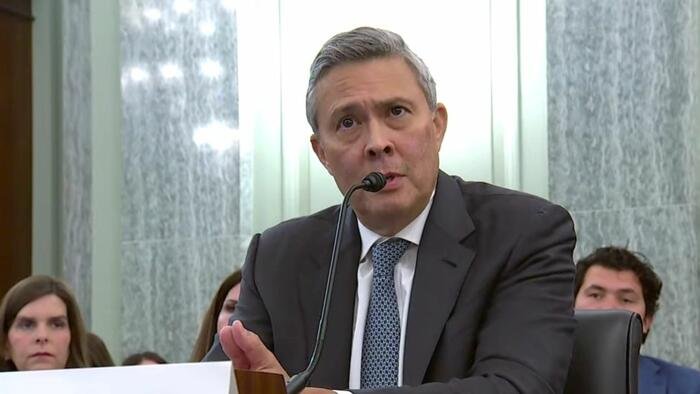
In a recent Senate hearing on October 29, 2025, Markham Erickson, head of Google’s Government Affairs and Public Policy Centers of Excellence, admitted that the tech giant made “mistakes” regarding its handling of complaints about election fraud. This revelation opens up a broader discussion about content moderation policies, the role of tech companies in political discourse, and potential regulatory implications.
### Context of the Hearing
During the hearing, Senator Ted Cruz (R-Texas) questioned Erickson about YouTube’s decision to remove a video that allegedly featured comments from both Hillary Clinton and Donald Trump regarding election fraud. Cruz pointed out that the video was not only deleted but also led to penalties for its creator, raising concerns about censorship and the transparency of content moderation practices.
The removal of such content raises questions about the balance between preventing misinformation and allowing free speech, especially in politically charged contexts. Erickson defended YouTube’s actions by stating that the platform had established election policies aimed at ensuring that users could access relevant information about voting, such as polling locations and times.
### Key Takeaways from the Hearing
1. **Content Moderation Policies**: Erickson explained that after states certified the 2020 election results, YouTube implemented a policy to remove content claiming “widespread fraud.” This step was taken to mitigate potential harm, reflecting the company’s commitment to maintaining the integrity of the electoral process. However, the subsequent reversal of this decision raises questions about the criteria used to determine what constitutes harmful content.
2. **Regulatory Scrutiny**: The acknowledgment of mistakes in handling election-related content could invite increased scrutiny from regulators. As tech companies face mounting pressure to manage misinformation, stakeholders should monitor potential changes in regulations that could affect content moderation practices and liability for platforms.
3. **Investor Implications**: For investors in tech companies, this situation serves as a reminder of the risks associated with regulatory changes. Companies like Google may face fines, increased operational costs, and reputational damage if they fail to navigate the complex landscape of political content effectively. Investors should consider these factors when assessing the long-term viability of tech stocks.
### The Broader Impact on Tech Companies
The admission of mistakes by Google could set a precedent for other tech companies grappling with similar issues. As public trust in social media platforms wanes, companies may need to enhance transparency in their content moderation processes. This could involve clearer guidelines on what content is permissible and more robust mechanisms for appealing decisions.
Additionally, the conversation around tech regulation is likely to intensify. Policymakers may push for more stringent rules governing how platforms handle political content, which could affect their business models. Companies that adapt proactively to these changes may position themselves favorably in the market.
### Actionable Steps for Stakeholders
– **Stay Informed**: Investors and stakeholders should keep abreast of developments in tech regulation and content moderation policies. Understanding the evolving landscape will be crucial for making informed investment decisions.
– **Engage with Companies**: Stakeholders should consider engaging with tech companies to advocate for transparency in content moderation practices. This could help build public trust and mitigate regulatory risks.
– **Monitor Competitors**: Watch how other tech companies respond to similar challenges. Their actions could provide insights into best practices and potential pitfalls in managing political discourse.
### Conclusion
The Senate hearing and Google’s subsequent admission of mistakes underscore the complexities of moderating content in an increasingly polarized political environment. As tech companies navigate these challenges, the implications for regulation, investor sentiment, and content policies will continue to unfold. Stakeholders should remain vigilant and proactive in adapting to this dynamic landscape.