—
# The Arctic’s Geopolitical Landscape: Spotlight on Greenland’s Young Leader
## Introduction
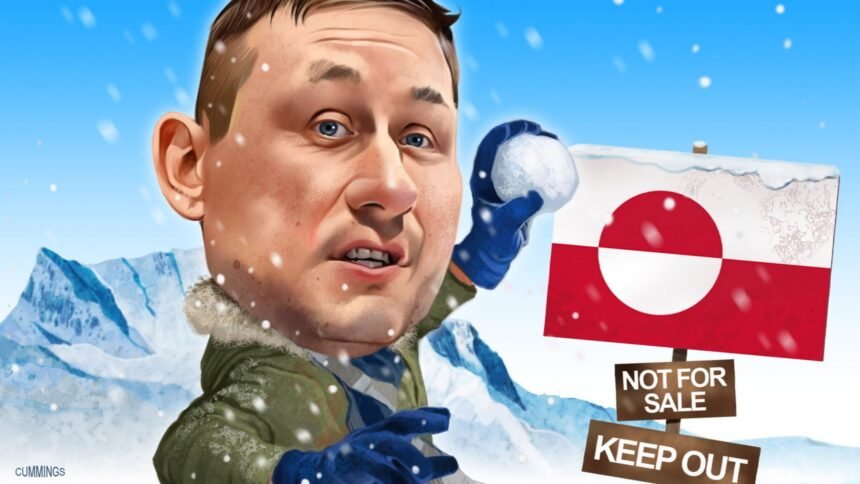
Greenland, an island rich in natural resources and strategic location, is becoming a focal point in global geopolitics. At the helm is 34-year-old Prime Minister Múte Bourup Egede, who is navigating complex international waters as various global powers vie for influence. Understanding this geopolitical struggle is crucial for investors and businesses looking to engage with the region.
## The Geopolitical Importance of Greenland
### What’s at Stake?
Greenland’s location between North America and Europe makes it a strategic asset for military and commercial interests. The island is also home to vast untapped natural resources, including rare earth minerals, which are essential for high-tech industries and renewable energy technologies.
### Causes of the Struggle
1. **Resource Demand**: As the world shifts toward greener technologies, the demand for rare earth minerals is surging. Countries like China, the U.S., and Canada are keenly interested in Greenland’s mineral wealth.
2. **Climate Change**: Melting ice in the Arctic opens new shipping routes and access to resources, intensifying competition among global powers.
3. **National Security**: The U.S. and its allies are increasingly concerned about China’s growing presence in the Arctic, prompting strategic military considerations.
## The Role of Prime Minister Múte Bourup Egede
### A Fresh Perspective
Prime Minister Egede, who took office recently, is the youngest leader in Greenland’s history. His administration is focused on promoting sustainable development while asserting Greenland’s autonomy from Denmark. Egede’s leadership style emphasizes collaboration with both Western allies and indigenous communities, which may influence investment strategies in the region.
### Policy Objectives
1. **Sustainability Initiatives**: Egede aims to balance resource extraction with environmental protection, appealing to investors interested in sustainable practices.
2. **Independence Aspirations**: By advocating for greater self-governance, Egede could change how foreign investments are structured, potentially leading to more favorable terms for investors who support local initiatives.
## Implications for Investors
### Navigating the Risks
Investors must be aware of the geopolitical risks associated with Greenland. The competition among global powers could lead to regulatory changes, impacting investments in resource extraction and infrastructure development.
1. **Due Diligence**: Conduct thorough research on political developments and potential shifts in policy that could affect profitability.
2. **Sustainability Focus**: Align investments with sustainable practices, as this is becoming a significant factor in gaining public and governmental support.
### Opportunities Ahead
Despite the risks, there are considerable opportunities in Greenland:
1. **Resource Investments**: Companies specializing in mining and extraction may find lucrative opportunities in the rare earth sector.
2. **Infrastructure Development**: Investments in transportation and logistics infrastructure could benefit from the anticipated increase in shipping routes due to climate change.
3. **Tourism Potential**: As the Arctic becomes more accessible, tourism could become a significant revenue stream, particularly if managed sustainably.
## Conclusion
Greenland is at a crossroads of geopolitical interests, and Prime Minister Múte Bourup Egede’s leadership will play a crucial role in shaping the island’s future. For investors, understanding the dynamics at play will be essential for making informed decisions. By aligning with sustainable practices and staying informed about geopolitical developments, businesses can navigate the complexities of this unique and evolving market.