—
### Understanding the Strategic Sale
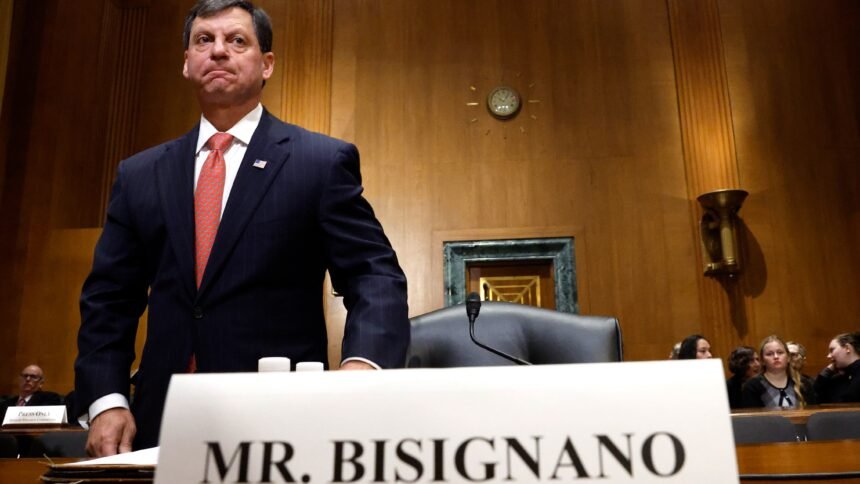
In a significant move, Frank Bisignano, CEO of Fiserv, recently sold a substantial portion of his stake in the company, reaping hundreds of millions of dollars. This decision came just before the emergence of serious challenges that could have led to a considerable financial setback. This article delves into the factors that influenced Bisignano’s decision, the implications of his actions, and what investors can learn from this case.
### The Timing of the Sale
**Why Timing Matters in Investments**
Investors often hear the phrase “timing the market,” which refers to buying or selling securities based on predictions of future market movements. In Bisignano’s case, his timely exit from Fiserv’s stock came at a crucial juncture. Prior to the sale, there were growing concerns about Fiserv’s operational challenges and market performance. By acting quickly, Bisignano was able to secure his profits and avoid the potential plunge in share value that followed.
**Key Takeaway:** Monitor market conditions and company performance closely. Being proactive rather than reactive can protect your investments from sudden downturns.
### Analyzing the Causes
**What Sparked Concerns at Fiserv?**
Fiserv, a leading financial technology provider, faced several challenges that were likely on the radar of savvy investors. These included heightened competition in the fintech space, regulatory pressures, and potential operational inefficiencies. Such factors can significantly impact a company’s stock price and investor sentiment.
**Key Takeaway:** Stay informed about industry trends and company news. Understanding external pressures can provide insight into potential risks and opportunities.
### The Effects of the Sale
**Avoiding Potential Losses**
By divesting his stake before the issues became public, Bisignano not only safeguarded his wealth but also set a precedent for other executives on the importance of risk management. Following his sale, Fiserv’s stock faced downward pressure, which could have resulted in a substantial loss had he delayed his decision.
**Key Takeaway:** Executives and investors alike should have a clear exit strategy. Knowing when to cut losses or take profits can be the difference between financial success and failure.
### Lessons for Investors
**Implementing Strategic Moves**
The situation surrounding Bisignano’s decision offers valuable lessons for individual investors:
1. **Develop a Risk Management Strategy:** Establishing a clear plan for when to sell stocks is crucial. This can include setting target prices or using stop-loss orders to limit potential losses.
2. **Diversify Your Portfolio:** Reducing exposure to any single investment can mitigate risks. By diversifying across various sectors and asset classes, investors can cushion their portfolios against volatility.
3. **Stay Educated:** Continuous learning about market dynamics and financial health indicators is essential. This knowledge empowers investors to make informed decisions and react swiftly to changing circumstances.
### Conclusion
Frank Bisignano’s preemptive sale of his Fiserv stake serves as a case study in effective risk management and strategic decision-making. By recognizing the signs of impending challenges and acting decisively, he not only preserved his wealth but also reinforced the importance of vigilance in the financial markets. For investors, the key takeaway is clear: stay informed, be proactive, and always have a plan.