—
## Rising Demand for Food Banks in the West Midlands
### Understanding the Situation
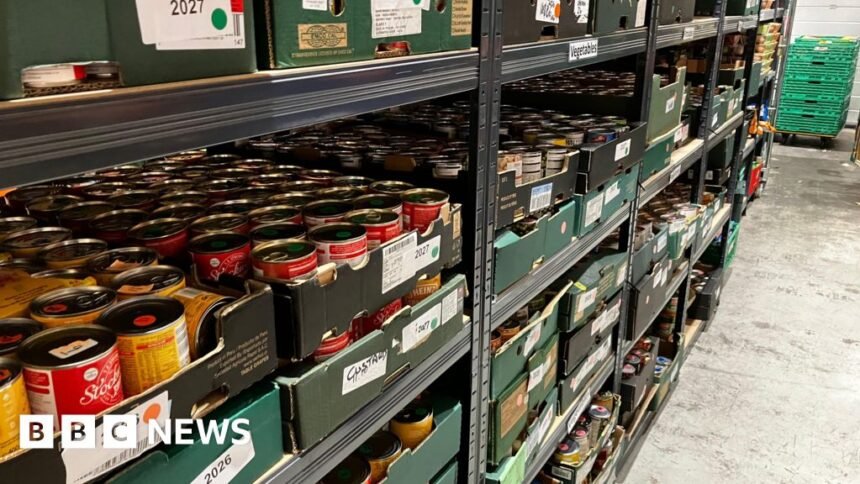
Recent data indicate a significant uptick in demand for food banks across the West Midlands. This trend suggests that more individuals and families are struggling to afford basic necessities, highlighting a growing issue of food insecurity in the region. Food banks serve as vital resources, providing essential food supplies to those in need, but they rely heavily on community support and donations to continue their operations.
### Causes of Increased Demand
Several factors contribute to the rising demand for food banks in the West Midlands:
1. **Economic Pressures**: The ongoing effects of economic challenges, including inflation and rising living costs, have made it increasingly difficult for many households to make ends meet. As food prices soar, families find it harder to allocate funds for groceries.
2. **Job Instability**: Many individuals are facing job insecurity or reduced hours due to market fluctuations. This instability can lead to sudden financial stress, pushing more people to seek assistance from food banks.
3. **Social Safety Net Gaps**: While government programs are in place to help those in need, they may not always be sufficient to cover the rising costs of living. As a result, many families find themselves falling through the cracks and turning to food banks for support.
### Effects on the Community
The increase in food bank usage has several repercussions for the community:
– **Strain on Resources**: Food banks are experiencing heightened pressure to meet the growing demand. This can lead to shortages of food supplies and resources, making it challenging for them to serve all those in need.
– **Community Health Risks**: Food insecurity can have serious health implications, including malnutrition and related health issues. As more families rely on food banks, the potential for increased health risks within the community rises.
– **Social Cohesion**: The reliance on food banks can also highlight broader societal issues, such as poverty and inequality. This situation can galvanize community efforts to address these underlying problems and foster a sense of solidarity among residents.
### How You Can Help
As the demand for food banks rises, there are several actionable steps you can take to support your community:
1. **Make a Donation**: Financial contributions or food items can significantly impact local food banks. Many organizations have specific needs, so consider reaching out to them directly to learn about their most pressing requirements.
2. **Volunteer Your Time**: Food banks often rely on volunteers to help with sorting, packaging, and distributing food. Your time and effort can make a tangible difference in the lives of those facing food insecurity.
3. **Spread Awareness**: Share information about the challenges faced by food banks and the need for support within your social circles. Raising awareness can encourage others to contribute, whether through donations or volunteering.
4. **Advocate for Change**: Engage with local policymakers to discuss the importance of addressing food insecurity and improving social safety nets. Your voice can help influence policies that aim to reduce poverty and support vulnerable populations.
### Conclusion
The rising demand for food banks in the West Midlands is a pressing issue that reflects broader economic challenges and social inequalities. By understanding the causes and effects of this trend, we can take meaningful action to support our community. Whether through donations, volunteering, or advocacy, every effort counts in the fight against food insecurity. Together, we can help ensure that no one in our community goes hungry.