—
## Understanding the Federal Reserve’s Recent Rate Cut
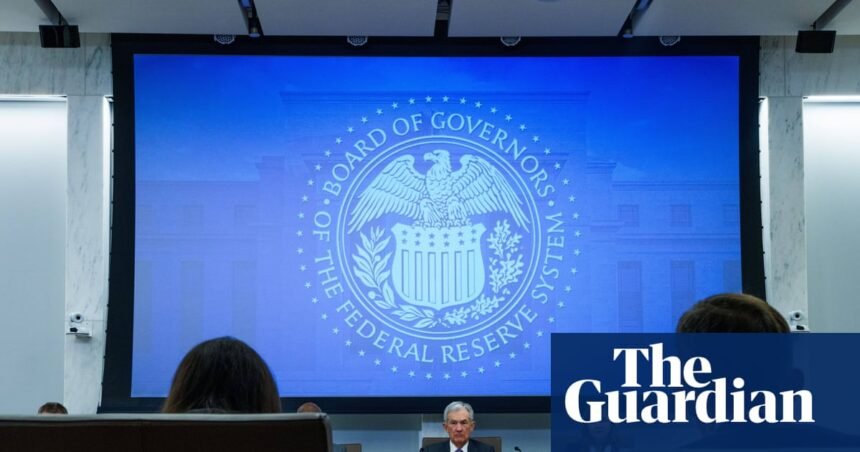
On Wednesday, the Federal Reserve announced a significant monetary policy shift by cutting its benchmark interest rate to a range of 3.75% to 4%. This marks the second rate cut of the year and comes during a period of economic uncertainty fueled by a federal government shutdown and ongoing tariffs imposed by former President Donald Trump.
### What Are Interest Rates and Why Do They Matter?
Interest rates are the cost of borrowing money. When the Federal Reserve (often referred to as the Fed) adjusts these rates, it influences economic activity. Lower interest rates make borrowing cheaper for consumers and businesses, which can stimulate spending and investment. Conversely, higher rates can help control inflation but may also slow down economic growth.
### Causes Behind the Rate Cut
The Fed’s decision to lower rates is influenced by several factors:
1. **Government Shutdown**: The ongoing federal government shutdown has created uncertainty in the economy. When the government is not operational, it can lead to reduced consumer spending and investment, which in turn affects overall economic growth.
2. **Tariffs and Trade Tensions**: The tariffs imposed during Trump’s administration have led to increased costs for businesses and consumers. This trade policy creates a ripple effect, impacting everything from manufacturing to consumer prices, which can slow economic growth.
3. **Inflation Pressures**: Despite persistent inflation, which typically prompts central banks to raise rates, the Fed is navigating a complex landscape where external factors are influencing economic stability.
### Effects of the Rate Cut
1. **Lower Borrowing Costs**: With the Fed reducing its benchmark interest rate, consumers and businesses can expect lower loan rates. This could lead to increased borrowing for homes, cars, and business investments.
2. **Stock Market Reaction**: Generally, lower interest rates can boost stock prices as companies benefit from cheaper financing. Investors may see this as a signal to invest in equities, potentially driving market growth.
3. **Inflation Management**: While lower rates can stimulate the economy, they also risk exacerbating inflation if demand outpaces supply. Investors should remain cautious about inflation trends, as they can erode purchasing power.
### Actionable Takeaways for Investors
1. **Review Your Investment Portfolio**: With lower interest rates, consider reallocating your investments toward sectors that traditionally perform well in a low-rate environment, such as real estate, utilities, and consumer discretionary stocks.
2. **Consider Fixed-Income Investments**: As rates decrease, yields on new bonds may also drop. Investors should evaluate their bond holdings and consider diversifying into longer-duration bonds that may offer better returns in a declining rate environment.
3. **Stay Informed**: Keep an eye on economic indicators such as inflation rates, employment figures, and consumer spending. These factors will provide insight into the effectiveness of the Fed’s rate cuts and the overall economic health.
4. **Be Cautious with Debt**: While borrowing costs are lower, ensure that any debt taken on is manageable. Assess your financial situation before making large purchases or investments, especially in a volatile economic climate.
### Conclusion
The Federal Reserve’s recent interest rate cut is a strategic response to current economic challenges, particularly the impacts of the government shutdown and trade tariffs. For investors, understanding these dynamics is crucial. By making informed decisions and staying agile, you can navigate this evolving financial landscape effectively.