—
## Constructive Negotiations: An Overview
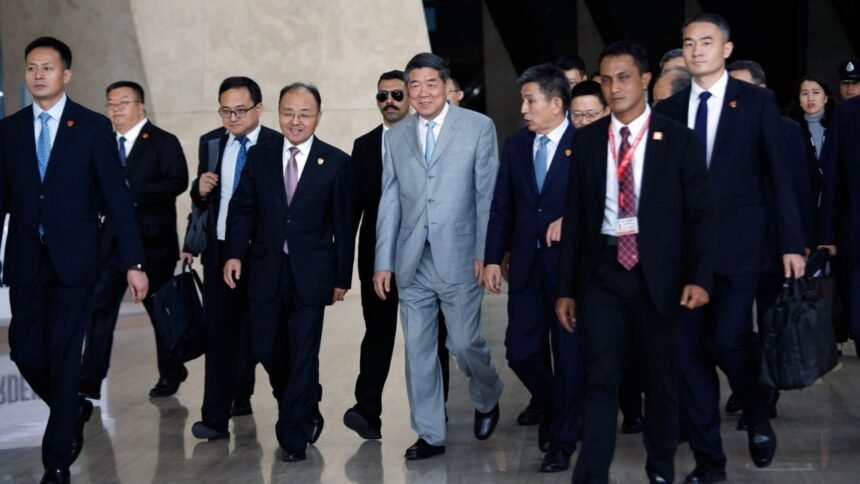
The recent meeting between Scott Bessent, a prominent figure in global finance, and He Lifeng, a senior Chinese official, has been labeled as “very constructive” by Washington. This initial round of negotiations is significant as it sets the stage for deeper financial cooperation between the U.S. and China. Understanding the context and implications of these discussions is crucial for investors and financial professionals alike.
## Who Are the Key Players?
**Scott Bessent** is known for his extensive experience in investment management and his role as the former Chief Investment Officer at George Soros’s family office. His insights into market dynamics and investment strategies are highly regarded.
**He Lifeng**, on the other hand, serves as the Vice Premier of China, overseeing economic affairs and international cooperation. His involvement indicates a high-level commitment from China to engage with U.S. financial interests.
## The Importance of Financial Cooperation
Financial cooperation between the U.S. and China can lead to several positive outcomes, including:
1. **Market Stability**: Collaborative efforts can help mitigate risks associated with trade tensions and economic volatility. A stable market benefits investors and promotes confidence.
2. **Increased Investment Opportunities**: Improved relations can open doors for cross-border investments, allowing companies to explore new markets and diversify their portfolios.
3. **Enhanced Regulatory Alignment**: Negotiations can lead to better regulatory frameworks, making it easier for firms to operate internationally and comply with different standards.
## Key Issues on the Table
During the first day of negotiations, several critical issues were likely discussed:
– **Trade Policies**: The U.S. and China have experienced friction over tariffs and trade barriers. A resolution could lead to reduced costs for consumers and businesses.
– **Technology Transfer**: Intellectual property rights and technology sharing are contentious topics. Agreements here could facilitate innovation and collaboration between tech companies in both countries.
– **Financial Market Access**: Increased access to each other’s financial markets may be on the agenda, allowing for greater foreign investment and more robust economic ties.
## Causes and Effects
**Causes**: The backdrop for these negotiations includes rising geopolitical tensions and the need for both nations to address economic challenges exacerbated by the COVID-19 pandemic. The global economy is still recovering, and collaboration is seen as a pathway to growth.
**Effects**: Should negotiations prove successful, we can expect immediate market reactions, including potential upticks in stock prices and increased foreign exchange stability. Long-term effects may include sustained economic growth and improved investor sentiment.
## Actionable Takeaways for Investors
1. **Stay Informed**: Monitor developments in these negotiations closely. Changes in trade policies or market access can significantly impact investment strategies.
2. **Diversify Investments**: Consider diversifying your portfolio to include sectors that may benefit from improved U.S.-China relations, such as technology and consumer goods.
3. **Assess Risk Exposure**: Review your exposure to companies that rely heavily on U.S.-China trade. Understanding potential vulnerabilities can help mitigate risks associated with market fluctuations.
4. **Engage with Experts**: Consult financial advisors or market analysts who specialize in international relations and trade policies. Their insights can provide a clearer picture of how negotiations may affect your investments.
## Conclusion
The initial negotiations between Scott Bessent and He Lifeng mark a pivotal moment in U.S.-China financial relations. As discussions unfold, the potential for enhanced cooperation could yield significant benefits for investors. By staying informed and adapting strategies accordingly, financial professionals can navigate these developments effectively.