**SEO_TITLE:** Cloned Foods in Canada: What You Need to Know for Informed Choices
**META_DESC:** Discover the implications of cloned animal foods entering Canada’s food supply without labeling. Understand the potential effects on consumers and exporters, and learn how to navigate this change.
**TAGS:** cloned foods, Canada food supply, consumer trust, food labeling, agricultural cloning, regulatory changes
—
### The Rise of Cloned Foods in Canada: A Regulatory Shift
In a significant move, Health Canada plans to remove cloned animal foods from its “novel foods” list, which traditionally requires pre-market safety reviews and public disclosure. This change means that foods derived from cloned animals may soon enter the Canadian food supply without any labeling to inform consumers. While this may streamline regulations, it raises critical questions about consumer trust and market transparency.
### Understanding Cloning in Agriculture
Cloning in agriculture involves creating an exact genetic copy of an animal, primarily for breeding purposes. Although the clones themselves are rarely consumed, their offspring often appear in everyday products such as beef, milk, and pork. The purported benefits of cloning include more consistent production and reduced losses due to disease. However, these advantages remain largely invisible to consumers, who see no difference in taste, nutrition, or pricing at the grocery store.
### Consumer Impact: The Cost of Lack of Transparency
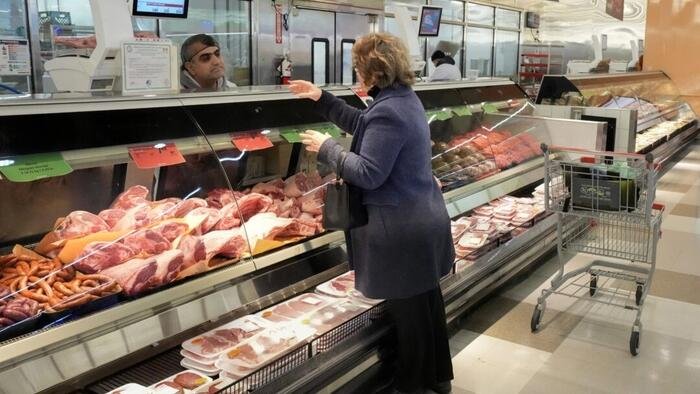
Without labels indicating the cloned origin of livestock, consumers lose the ability to make informed choices. When cloned products are mixed with conventional ones, shoppers cannot differentiate between them, diminishing their ability to support innovative agricultural practices or demand transparency. As a result, the industry may benefit from cost savings, while consumers receive no visible advantages.
### Export Challenges: The Global Market at Risk
The implications extend beyond domestic consumers. Canada is a significant exporter of beef and pork, with billions in annual revenue. If cloned-origin products enter the supply chain without proper labeling, Canadian exporters could face scrutiny from international markets, particularly the European Union, where cloning is often met with resistance. This regulatory shortcut could inadvertently create barriers for Canadian goods abroad, jeopardizing trade relationships and revenue streams.
### The Trust Factor: A Fragile Food System
Public trust in Canada’s food system is already tenuous. A 2023 survey revealed that only 36% of Canadians believe the food industry is progressing positively, and less than half trust government regulators to provide transparent information. Introducing cloned foods without public disclosure could exacerbate this skepticism, leading to greater public backlash and mistrust.
### Learning from the Past: The GMO Experience
This situation echoes the historical controversy surrounding genetically modified organisms (GMOs). When GMOs were first introduced, there was a lack of transparency that left consumers confused and distrustful. The fallout from that experience highlights the importance of open communication regarding food technologies. A similar pattern of secrecy surrounding cloned foods could lead to a prolonged period of public distrust and division.
### Actionable Takeaways for Consumers and Stakeholders
1. **Stay Informed:** Keep abreast of developments regarding cloned foods and their regulatory status. Subscribe to updates from Health Canada or relevant agricultural bodies.
2. **Advocate for Transparency:** Engage with policymakers and advocate for clear labeling of cloned products. Consumer voices can influence regulatory practices and promote accountability.
3. **Explore Alternatives:** Consider supporting local farms or organic products that prioritize transparency in their breeding and production methods.
4. **Educate Others:** Share information about cloning and its implications with your community to foster a broader understanding and encourage informed choices.
### Conclusion: The Need for Responsible Governance
While the science may support the safety of cloned foods, the manner in which they are introduced into the market is critical. Transparency is not merely a regulatory formality; it is a fundamental aspect of maintaining public trust in the food system. As Canada navigates this regulatory change, it must prioritize open communication and consumer education to prevent repeating past mistakes. The integrity of the food supply relies on the trust of its consumers— a trust that should not be taken for granted.