—
## Chancellor’s Warning: No Additional Support for Hospitality Sector
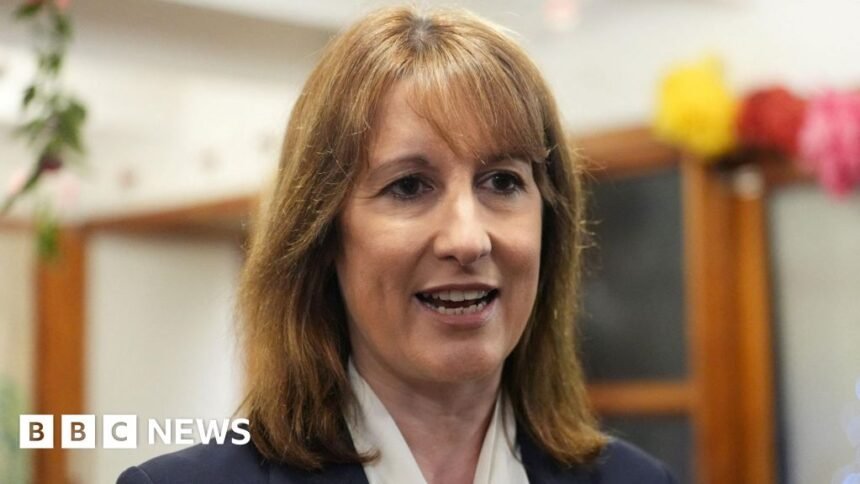
In recent remarks, the Chancellor of the Exchequer indicated that further financial assistance for hospitality businesses is unlikely as the country grapples with increasing interest rates. This development raises significant concerns for an already pressured sector, which has been recovering from the impacts of the pandemic.
### Understanding the Context: Rising Interest Rates
Interest rates are the cost of borrowing money, set by a country’s central bank. When rates rise, borrowing becomes more expensive. This can affect businesses in two main ways:
1. **Increased Costs**: For hospitality businesses—like restaurants, hotels, and bars—higher interest rates mean that loans taken out for expansion or operational costs become pricier. This reduces profit margins and may lead to tough decisions, such as cutting back on staff or services.
2. **Reduced Consumer Spending**: As interest rates climb, consumers may tighten their wallets, leading to decreased spending in hospitality and related sectors. This can further strain businesses that rely on discretionary spending.
### The Chancellor’s Position: No Further Assistance
The Chancellor’s statement suggests that the government will not introduce new measures to support hospitality businesses facing these challenges. This lack of additional support could have several effects:
– **Increased Financial Strain**: Without government aid, many hospitality businesses may struggle to navigate the financial pressures of rising interest rates. This could lead to a wave of closures or bankruptcies in the sector.
– **Stagnation of Recovery**: The hospitality industry is still recovering from the pandemic’s fallout. The absence of support could stall this recovery, leading to long-term economic consequences.
### Implications for Hospitality Businesses
1. **Review Financial Strategies**: Businesses should reassess their financial strategies in light of rising costs. This may include renegotiating existing loans, exploring fixed-rate loan options to lock in lower rates, or seeking alternative funding sources.
2. **Cost Management**: Hospitality operators need to scrutinize their expenses. Identifying areas where costs can be cut without sacrificing quality will be essential. This may involve streamlining operations, reducing waste, or renegotiating supplier contracts.
3. **Enhancing Customer Experience**: In a tighter economic environment, retaining customers becomes crucial. Businesses should focus on enhancing the customer experience to encourage repeat visits and word-of-mouth referrals. This can include loyalty programs, special promotions, or unique dining experiences that set them apart from competitors.
4. **Diversifying Revenue Streams**: Businesses could consider diversifying their revenue streams to mitigate risks. For example, offering catering services, meal kits, or online cooking classes can provide additional income sources that do not rely solely on traditional dining.
### Conclusion: Preparing for a Challenging Future
As the Chancellor’s hints suggest a lack of forthcoming support, hospitality businesses must take proactive steps to adapt to the changing economic landscape. By reviewing financial strategies, managing costs effectively, enhancing customer experiences, and diversifying revenue streams, hospitality operators can better navigate the challenges posed by rising interest rates.
In a landscape where financial aid is dwindling, adaptability and strategic planning will be key to survival and growth in the hospitality sector.