—
### Understanding the Chancellor’s Stance on Welfare for Larger Families
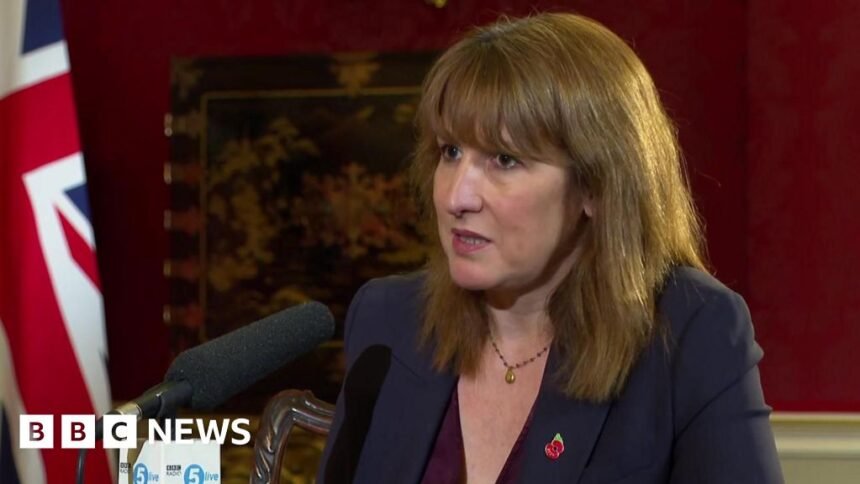
In a recent interview with the BBC, the UK Chancellor expressed a commitment to reforming the welfare system to better support larger families. This statement highlights a critical issue in social policy: how welfare benefits are allocated to families of varying sizes.
### The Current Welfare Landscape
Welfare benefits in the UK are designed to provide financial support to families in need. However, the system has often been criticized for penalizing larger families, who may require more financial assistance due to their increased living costs. The Chancellor’s comments suggest a recognition of this disparity and a desire to address it.
### Causes of the Issue
Several factors contribute to the challenges faced by larger families within the current welfare framework:
1. **Inadequate Financial Support**: The existing benefit structure may not sufficiently account for the needs of families with more children, leading to financial strain.
2. **Cost of Living Pressures**: With rising costs for essentials such as housing, food, and childcare, larger families may find it increasingly difficult to make ends meet.
3. **Policy Limitations**: Current welfare policies may inadvertently create disincentives for families to have more children, as additional children do not always lead to proportional increases in benefits.
### Implications for Families
The Chancellor’s assertion that larger families should not be “penalised” by the welfare system carries significant implications:
– **Increased Financial Security**: If reforms are implemented, families with more children could see an increase in their financial support, easing the burden of daily expenses.
– **Encouragement for Family Growth**: A more equitable welfare system may encourage families to expand, potentially impacting birth rates and demographic trends in the UK.
– **Social Equity**: By addressing the disparities in welfare support, the government could promote greater social equity, ensuring that all families receive the assistance they need regardless of size.
### Actionable Takeaways for Policymakers
For policymakers, the Chancellor’s comments serve as a call to action. Here are several steps that can be taken:
1. **Review Welfare Structures**: Conduct a thorough review of the current welfare system to identify areas where larger families are disadvantaged.
2. **Pilot Programs**: Implement pilot programs that test new welfare models aimed at providing more support to larger families. This could involve increasing child benefits or introducing additional allowances.
3. **Engage Stakeholders**: Collaborate with family advocacy groups, economists, and social workers to gather insights on the unique challenges faced by larger families.
4. **Monitor and Adapt**: Establish metrics to evaluate the effectiveness of any changes made to the welfare system, allowing for ongoing adjustments based on feedback and outcomes.
### Conclusion
As the Chancellor’s remarks resonate through the halls of government and among families across the UK, it becomes clear that reforming the welfare system is not just a fiscal issue; it’s a matter of social justice. By ensuring that larger families receive the support they need, the government can foster a more equitable society, ultimately benefiting the economy as a whole. For families, this could mean a brighter financial future, free from the penalties of their size.