—
### Chancellor Addresses Media Leaks: Implications for Financial Markets
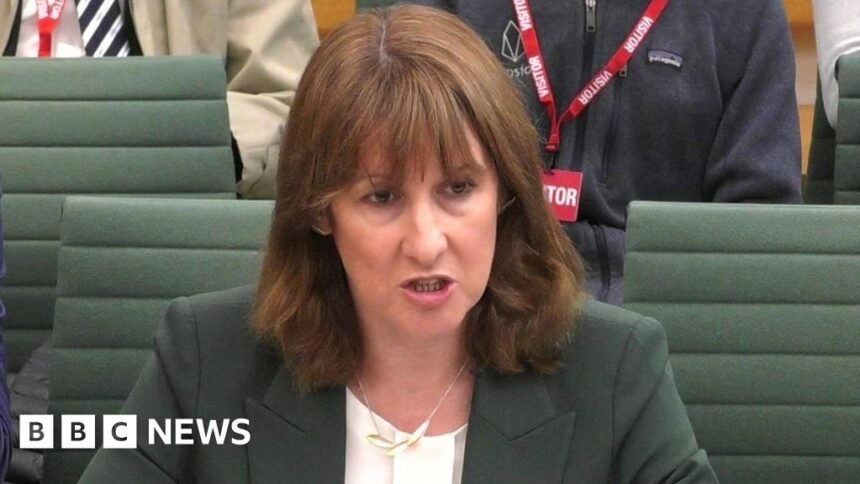
In a recent address to Members of Parliament (MPs), the Chancellor of the Exchequer emphasized that many stories circulating in the media regarding economic policies and financial conditions are not only inaccurate but also “very damaging.” This revelation brings to light the significant impact that misinformation can have on financial markets and investor confidence.
#### Understanding the Impact of Media Leaks
Media leaks can occur when confidential information is disclosed without authorization, often leading to speculative reporting before official announcements are made. In the context of financial markets, these leaks can create volatility, as traders and investors react to potentially misleading information.
For example, an inaccurate report about a government policy change can lead to sudden shifts in stock prices or currency values. When investors respond to these leaks without verifying the facts, it can result in unnecessary panic or euphoria, ultimately skewing market performance.
#### Causes of Misinformation
The Chancellor pointed out that the proliferation of social media and rapid news cycles often contribute to the spread of misinformation. Journalists may rush to report on sensational stories without fully verifying the facts, leading to a cascade of inaccuracies. This phenomenon is compounded by the tendency of some outlets to prioritize clicks and views over journalistic integrity.
Moreover, political motivations can also drive the dissemination of false information. Certain narratives may be pushed to undermine confidence in government policies or to sway public opinion, which in turn can influence market behavior.
#### Effects on Financial Markets
The effects of these media leaks can be profound. When misinformation spreads, it can lead to:
1. **Increased Volatility**: Stock prices may swing wildly as traders react to false information, creating an unstable environment for investors.
2. **Loss of Confidence**: Investors may become wary of the market, fearing that they cannot trust the information they receive. This can lead to a decline in market participation and liquidity.
3. **Policy Misinterpretation**: Misunderstood government policies can result in misguided investment strategies, as investors may base their decisions on flawed narratives rather than solid data.
#### Actionable Takeaways for Investors
Given the volatility that can arise from media leaks and misinformation, here are some actionable steps investors can take to protect their portfolios:
1. **Verify Information**: Before making investment decisions based on news reports, verify the information through multiple reliable sources. Look for official statements from government officials or reputable financial analysts.
2. **Stay Informed**: Keep abreast of economic indicators and government policies. Understanding the broader economic context can help you better interpret news reports and assess their potential impact on the markets.
3. **Diversify Investments**: To mitigate risks associated with market volatility, consider diversifying your investment portfolio. This can help cushion against losses during turbulent times.
4. **Consult Financial Advisors**: If you’re uncertain about how media reports may affect your investments, consult with a financial advisor. They can provide insights and help you navigate the complexities of the market.
5. **Monitor Market Trends**: Pay attention to how the market reacts to news and reports. Understanding patterns can help you make more informed decisions about when to buy or sell.
#### Conclusion
The Chancellor’s remarks highlight the importance of discerning fact from fiction in today’s fast-paced media landscape. As misinformation continues to permeate the financial markets, both investors and policymakers must prioritize transparency and accuracy to foster a stable economic environment. By staying informed and cautious, investors can better navigate the challenges posed by media leaks and protect their financial interests.