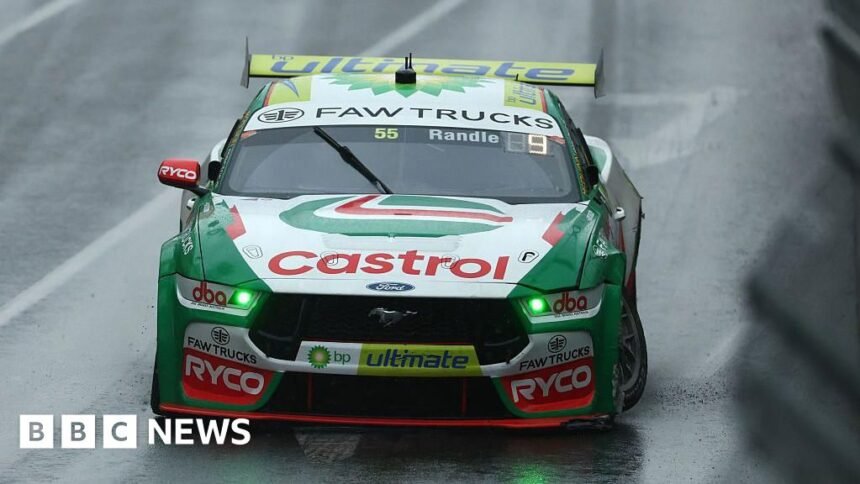
—
### BP Sells 65% Stake in Castrol: A Strategic Move Explained
In a significant shift in its business strategy, BP has sold a 65% stake in its motor lubricant division, Castrol, to the US-based investment firm Stonepeak. This move is part of BP’s broader efforts to streamline its operations and focus on more sustainable energy sources. Let’s break down the implications of this sale and what it means for both BP and the lubricants market.
### Understanding the Stake Sale
A stake sale is when a company sells a portion of its ownership in a subsidiary or business unit to another entity. In this case, BP has divested a majority share of Castrol, a well-known brand in motor lubricants, which it has owned for many years. The decision to sell a 65% stake indicates BP’s intention to shift its focus away from traditional fossil fuel businesses and to invest more in renewable energy initiatives.
### Causes Behind the Sale
1. **Shift Towards Sustainability**: BP has been under pressure to reduce its carbon footprint and invest in cleaner energy alternatives. By selling a significant portion of Castrol, the company is reallocating resources to support its transition towards renewable energy.
2. **Financial Strategy**: The sale to Stonepeak provides BP with immediate capital that can be reinvested in growth areas, such as wind, solar, and hydrogen technologies. This capital infusion is crucial for companies looking to pivot in a rapidly changing energy landscape.
3. **Market Realignment**: The lubricants market is competitive, and BP may see more value in partnering with an investment firm like Stonepeak that can leverage Castrol’s brand and expertise to drive growth, while BP focuses on its core strategy.
### Potential Effects on the Market
1. **Enhanced Investment in Castrol**: With Stonepeak’s backing, Castrol could see increased investment in product development and marketing. This could lead to innovation in lubricant technology, catering to the evolving needs of electric and hybrid vehicles.
2. **Competitive Landscape**: The sale may alter the competitive dynamics within the lubricants industry. Other players might respond by reevaluating their strategies, leading to potential mergers or acquisitions as companies seek to strengthen their positions.
3. **Impact on BP’s Brand**: While BP retains a minority stake in Castrol, the company must navigate the challenges of maintaining brand identity and reputation in a market it is partially stepping away from. This could affect customer loyalty and market perception.
### Actionable Takeaways for Investors
– **Monitor BP’s Transition**: Investors should keep an eye on BP’s strategic transition towards renewable energy. Understanding how the company reallocates its resources post-sale will be critical in assessing its future growth potential.
– **Evaluate Stonepeak’s Approach**: For those interested in the investment firm side of the equation, analyzing Stonepeak’s plans for Castrol will provide insights into how they intend to leverage the brand’s strengths in the lubricants market.
– **Watch for Industry Trends**: As the lubricants market evolves, staying informed about technological advancements and shifts towards sustainability will be essential. This includes keeping tabs on competitors and potential new entrants in the space.
### Conclusion
BP’s sale of a 65% stake in Castrol to Stonepeak marks a pivotal moment for both companies and the lubricants market. As BP pivots towards a more sustainable future, the implications of this deal will resonate throughout the industry. Investors and stakeholders should remain vigilant, as the evolving landscape presents both challenges and opportunities in the realm of energy and lubricants.