—
### Understanding the Boeing Aircraft Crash: Key Findings and Implications
In a recent development that has sent shockwaves through the aviation industry and raised serious questions for investors, investigators have uncovered that a structural flaw in a Boeing aircraft, which led to a tragic crash in November, had been known to the company for 15 years. This revelation not only highlights significant safety concerns but also poses potential financial ramifications for Boeing and its stakeholders.
### What Happened: The Crash and Its Investigation
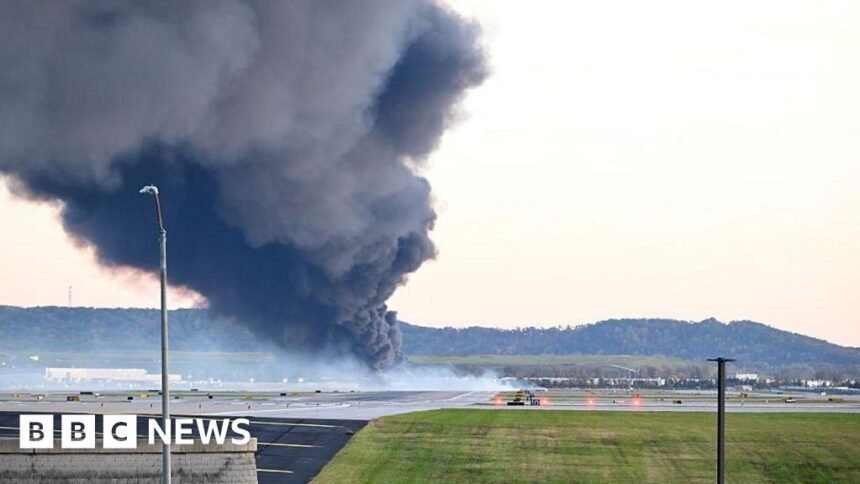
In November, an aircraft operated by a major airline tragically crashed, resulting in loss of life and significant damage. Following the incident, an investigation was launched to determine the root causes. Investigators have now revealed that a structural flaw, previously identified by Boeing, was a contributing factor in the crash.
This flaw raises serious questions about Boeing’s safety protocols and its commitment to addressing known issues. For investors, the implications of this finding could be substantial, both in terms of public perception and regulatory scrutiny.
### The Structural Flaw: Causes and Effects
The structural flaw in question refers to a weakness in the aircraft’s design or materials that could compromise its integrity during flight. Boeing had been aware of this issue for over a decade but failed to implement necessary modifications or communicate the risks effectively to airlines and operators.
#### Causes:
– **Negligence in Addressing Known Issues**: Boeing’s failure to rectify the flaw suggests a possible neglect of safety priorities in favor of cost-saving measures.
– **Regulatory Oversight**: Questions are being raised about the adequacy of regulatory bodies in monitoring and enforcing safety standards within the aviation sector.
#### Effects:
– **Increased Regulatory Scrutiny**: Following the crash, aviation authorities are likely to intensify inspections and regulations concerning aircraft safety.
– **Potential Financial Consequences**: Boeing may face lawsuits, increased liability insurance costs, and a decline in consumer trust, all of which could significantly impact its stock performance and market position.
### Actionable Takeaways for Investors
#### 1. Monitor Boeing’s Response
Investors should keep a close eye on Boeing’s actions following this investigation. Effective crisis management and transparent communication will be critical in restoring trust. Look for updates on safety improvements and how the company plans to address the structural flaw.
#### 2. Assess Broader Industry Implications
Broaden your focus beyond Boeing to understand how this incident may affect the entire aviation industry. Increased regulatory scrutiny could lead to higher operational costs for airlines, potentially impacting their profitability.
#### 3. Diversify Your Portfolio
Given the uncertainty surrounding Boeing’s future, consider diversifying your investments to mitigate risk. Explore opportunities in other sectors or companies that may benefit from shifts in aviation regulations or that are less exposed to safety-related issues.
#### 4. Stay Informed on Regulatory Changes
Keep abreast of any new regulations or safety standards that may emerge as a result of this crash. Understanding these changes can help inform investment decisions and identify potential opportunities or risks in the market.
### Conclusion: A Call for Accountability and Safety
The revelation of a long-known structural flaw in a Boeing aircraft underscores the critical importance of accountability and safety in the aviation sector. For investors, this incident serves as a reminder of the potential risks associated with companies that fail to prioritize safety and transparency. As the investigation unfolds, staying informed and vigilant will be key to navigating the evolving landscape of the aviation industry.