—
### Ben Cohen’s New Initiative: A Flavor for Peace
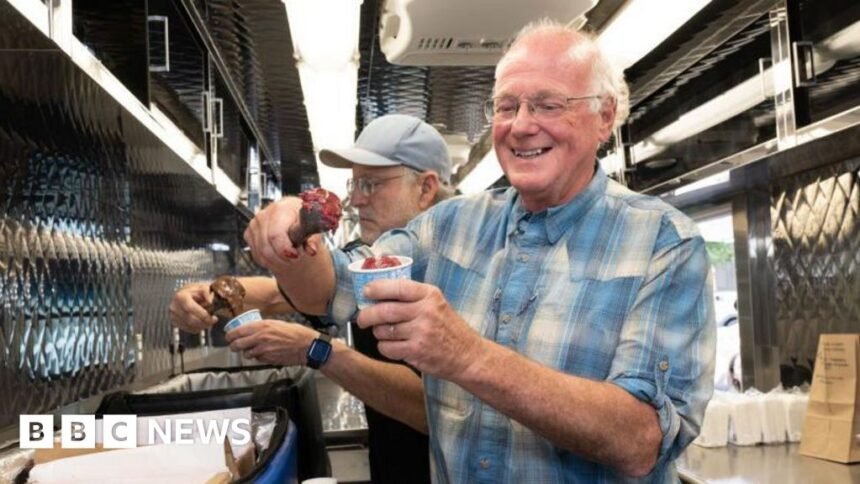
Ben Cohen, co-founder of the renowned ice cream brand Ben & Jerry’s, has announced plans to independently create a new watermelon flavor. This unique venture is not just about ice cream; it aims to support the cause of “permanent peace in Palestine.” In a time when social responsibility is becoming increasingly central to business practices, Cohen’s initiative serves as a key example of how companies can engage in political and humanitarian issues.
### Understanding the Background
Cohen’s decision to introduce a watermelon flavor stems from his long-standing commitment to social justice. He has been vocal about various causes throughout his career, and this latest move is aligned with his belief that businesses can play a significant role in advocating for social change. The choice of watermelon is symbolic, often associated with summer, refreshment, and community gatherings, making it a fitting vehicle for a message of peace.
### The Cause: Why Palestine?
The conflict in Palestine has been a point of contention for decades, with deep-rooted historical and social complexities. Cohen’s initiative aims to shed light on the need for resolution and peace in the region. By leveraging his brand and its popularity, he hopes to raise awareness and foster dialogue around this critical issue. The effect of such initiatives can be profound, inspiring other businesses to take stances on social issues and encouraging consumers to support brands that align with their values.
### The Business Implications
Cohen’s independent endeavor raises important questions about the role of businesses in social activism. Here are a few key implications:
1. **Brand Identity**: Companies that align themselves with social causes can strengthen their brand identity. Consumers increasingly favor brands that take a stand on important issues, which can lead to increased loyalty and sales.
2. **Consumer Engagement**: By advocating for a cause, brands can engage consumers on a deeper level. This engagement often translates into a stronger emotional connection, which can drive word-of-mouth marketing and social media sharing.
3. **Corporate Responsibility**: Businesses are under growing pressure to demonstrate corporate social responsibility (CSR). Cohen’s watermelon flavor serves as a case study in how a company can integrate CSR into its product offerings.
### Actionable Takeaways for Investors and Businesses
1. **Evaluate Your Brand’s Values**: Companies should assess their core values and consider if there are social issues that resonate with their mission. Aligning with a cause can differentiate your brand in a crowded market.
2. **Engage in Dialogue**: Encourage open discussions about social issues within your company. This can lead to innovative ideas that not only support causes but also benefit the business.
3. **Monitor Consumer Trends**: Stay informed about consumer preferences regarding social activism. Understanding what matters to your audience can help shape product development and marketing strategies.
### Conclusion: A Flavor with a Purpose
Ben Cohen’s watermelon flavor isn’t just a sweet treat; it’s a call to action for peace in Palestine. In a world where consumers are increasingly looking for authenticity and purpose in the brands they support, Cohen’s initiative stands as a testament to the power of combining business with social activism. For investors and businesses alike, this serves as a reminder that success can be measured not only by profits but also by the positive impact one can create in society.