—
## Bank of England’s Decision to Hold Interest Rates Steady
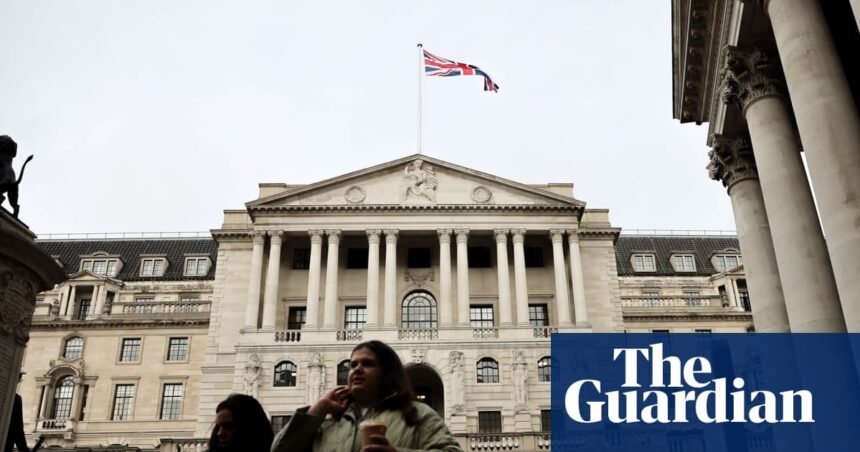
The Bank of England (BoE) has decided to keep interest rates on hold at 4%, marking a significant moment for the UK economy. This decision follows a narrow vote by the Monetary Policy Committee (MPC), which reflects the delicate balance policymakers must navigate in light of current economic challenges.
### Understanding Interest Rates and Their Impact
Interest rates are the cost of borrowing money. When central banks, like the BoE, set low rates, it encourages borrowing and spending, which can stimulate economic growth. Conversely, high rates can dampen spending, leading to slower growth. By maintaining the rate at 4%, the BoE aims to provide stability as the economy faces headwinds.
### The Current Economic Landscape
Recent reports indicate that the UK economy is grappling with persistent weak growth and rising unemployment. The BoE’s warning about these trends is crucial for investors and businesses alike. Weak growth can lead to lower consumer spending, while rising unemployment can decrease overall economic activity.
#### Key Causes of Weak Growth
1. **Consumer Confidence**: Economic uncertainty often leads to reduced consumer spending, which is a major driver of growth. If consumers are worried about their job security, they are less likely to spend money.
2. **Global Economic Conditions**: External factors, such as international trade tensions or global economic slowdowns, can adversely affect the UK economy, leading to slower growth rates.
3. **Inflation Pressures**: High inflation can erode purchasing power, pushing consumers to cut back on spending, further slowing growth.
### Implications for the Upcoming Budget
With the Chancellor’s budget set to be unveiled in less than three weeks, the BoE’s decision to maintain interest rates adds an extra layer of complexity. The budget is expected to outline tax and spending measures aimed at stimulating growth and addressing rising unemployment.
#### What to Watch For
1. **Fiscal Stimulus**: Investors should look for signs of fiscal stimulus in the upcoming budget. This could include increased government spending on infrastructure projects or tax cuts designed to boost consumer spending.
2. **Sector-Specific Impacts**: Some sectors may benefit more than others from the budget measures. For example, construction and manufacturing could see a boost from infrastructure spending.
3. **Long-term Economic Strategy**: The budget may also reveal the government’s long-term strategy for tackling economic challenges. This could influence market sentiment and investor confidence.
### Actionable Takeaways for Investors
– **Stay Informed**: Keep an eye on economic indicators such as unemployment rates and consumer confidence. These can provide insights into future market movements.
– **Diversify Investments**: Given the uncertainty surrounding economic growth, consider diversifying your investment portfolio to mitigate risks.
– **Monitor Policy Changes**: Be aware of the potential impact of the upcoming budget. Changes in fiscal policy can affect market dynamics, so staying updated will be crucial.
### Conclusion
The Bank of England’s decision to hold interest rates at 4% amid warnings of weak growth and rising unemployment highlights the current economic challenges facing the UK. As the government prepares for its crucial budget, investors should remain vigilant and consider the broader implications for their portfolios. Understanding these dynamics will be key to navigating the evolving landscape of the UK economy.