—
# Understanding the Davos Economic Forum: Key Highlights and Takeaways
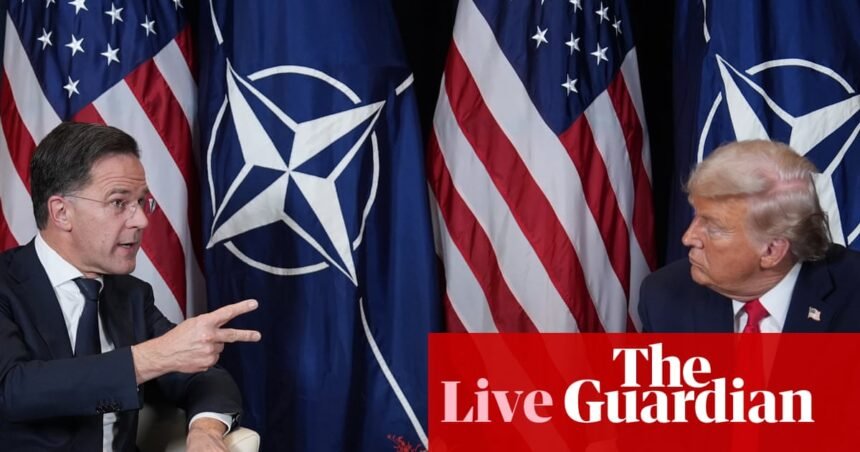
The World Economic Forum (WEF) in Davos has once again gathered global leaders, policymakers, and business executives to discuss pressing economic and geopolitical issues. This year, one of the standout topics revolves around a vague agreement reportedly reached between U.S. President Donald Trump and Dutch Prime Minister Mark Rutte concerning Greenland. However, skepticism surrounds this declaration, especially regarding its implications for Arctic security and international relations.
## The Greenland Framework Deal: What You Need to Know
The Greenland framework deal, as discussed by Trump and Rutte, aims to address various strategic interests in the Arctic region. Greenland, an autonomous territory of Denmark, has become a focal point due to its vast natural resources and strategic location. The deal’s specifics remain unclear, leading to uncertainty among global leaders and analysts.
**Key Terms:**
– **Framework Deal:** A preliminary agreement that outlines the basic principles of a potential future arrangement but lacks detailed commitments.
– **Arctic Security:** Refers to the geopolitical and military considerations in the Arctic region, particularly as climate change opens new shipping routes and access to resources.
### Causes of Skepticism
Danish Prime Minister Mette Frederiksen’s response to the agreement highlights a significant concern. She stated that it is both “good and natural” for Arctic security to be discussed but clarified that she was not informed about any concrete agreement being reached. This discrepancy raises questions about the clarity and intent behind Trump’s discussions.
**Key Takeaway:** When evaluating international agreements, it’s crucial to assess both the statements of involved parties and the broader geopolitical context. Lack of transparency can lead to misunderstandings and mistrust among nations.
## Implications for Arctic Security
The Arctic region’s security is becoming increasingly important as nations seek to assert their interests amid changing climate patterns. The melting ice is opening new shipping routes and access to untapped natural resources, prompting a race for dominance among Arctic nations.
**Potential Effects:**
– Increased Military Presence: Countries may bolster their military capabilities in the region to protect their interests.
– Diplomatic Tensions: Ambiguities in agreements can lead to conflicts over territorial claims and resource exploitation.
### Actionable Insights for Investors and Businesses
For investors and businesses, the developments at the WEF can signal shifts in market dynamics and international relations. Here are some actionable takeaways:
1. **Monitor Geopolitical Developments:** Stay informed about discussions and agreements made at international forums like the WEF. Changes in diplomatic relations can impact global markets and investment opportunities.
2. **Evaluate Exposure to Arctic Resources:** Companies involved in energy, shipping, or natural resources should assess their exposure to Arctic-related investments and consider potential risks and rewards.
3. **Engage in Risk Management:** Given the uncertainties surrounding international agreements, businesses should enhance their risk management strategies to mitigate potential impacts from geopolitical tensions.
## Conclusion
The World Economic Forum in Davos continues to be a critical platform for discussing global economic and geopolitical issues. The skepticism surrounding Trump’s Greenland framework deal illustrates the complexities of international relations in an increasingly interconnected world. For investors and businesses, understanding these dynamics is essential for navigating the future landscape of the global economy. Keep an eye on ongoing developments, as they could significantly influence market conditions and strategic planning in the months ahead.