—
### Canada’s New Strategic Partnership with China: What You Need to Know
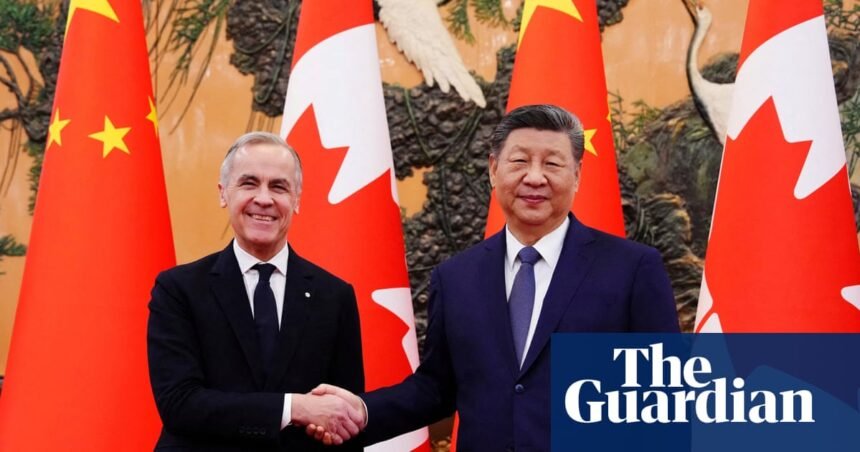
In a significant diplomatic move, Canadian Prime Minister Mark Carney has embarked on a rare visit to Beijing, marking the first time a Canadian leader has visited China in eight years. This visit is not just ceremonial; it signifies Canada’s intent to diversify its trade relationships, particularly as global economic dynamics shift.
### The Context of the Visit
Historically, Canada has maintained a strong trade relationship with the United States, its largest trading partner. However, geopolitical tensions and trade uncertainties have prompted Canadian officials to seek new markets. Carney’s discussions with Chinese President Xi Jinping are a strategic effort to solidify a new trade partnership that could mitigate reliance on the U.S. market.
### Key Takeaways from the Talks
1. **New Strategic Partnership**: Carney described the relationship with China as a “new strategic partnership.” This term indicates a commitment to strengthen economic ties, focusing on collaboration in areas like technology, clean energy, and agriculture.
2. **Adapting to Global Realities**: Carney emphasized the need to adapt to “new global realities,” suggesting that both nations recognize the changing landscape of international trade. This adaptability could provide opportunities for Canadian firms to enter the Chinese market and vice versa.
3. **Investment Opportunities**: For investors, this partnership could open doors in various sectors. Canadian companies may find new avenues for growth in China’s vast consumer market, particularly in industries like renewable energy and technology.
### Potential Causes and Effects
The shift towards a more diversified trade strategy is influenced by several factors:
– **Geopolitical Tensions**: Ongoing trade disputes between the U.S. and China have created an uncertain environment for companies heavily reliant on American markets. By engaging with China, Canada aims to reduce this risk.
– **Economic Recovery Post-COVID**: As countries recover from the pandemic, there’s an increased urgency to explore new markets and partnerships. For Canada, embracing China’s economic potential could be crucial for post-pandemic recovery.
– **Environmental Considerations**: Both nations are focusing on sustainable practices. Canada’s expertise in clean technology could complement China’s ambitious environmental goals, fostering collaboration that benefits both economies.
### Actionable Insights for Investors and Businesses
1. **Diversify Your Portfolio**: Investors should consider diversifying their portfolios to include companies that are likely to benefit from increased trade with China. Look for firms in the technology and clean energy sectors, which may see growth as partnerships expand.
2. **Monitor Trade Developments**: Keep an eye on the outcomes of this partnership. Policy changes and new trade agreements could create opportunities or risks for businesses operating in both countries.
3. **Explore Export Opportunities**: Canadian businesses should evaluate their capabilities to enter the Chinese market. Understanding regulatory requirements and cultural differences will be essential for successful expansion.
4. **Stay Informed on Geopolitical Trends**: As trade dynamics evolve, staying informed on geopolitical developments will be crucial. Understanding how these changes affect international trade policies can help businesses make informed decisions.
### Conclusion
Mark Carney’s visit to China signifies a pivotal moment for Canada as it seeks to diversify its trade relationships away from the U.S. By fostering a new strategic partnership with China, Canada aims to unlock economic potential that could benefit both nations. Investors and businesses should remain vigilant and proactive in navigating these changes, as the implications of this partnership unfold in the coming months.