

—
### The Role of the Federal Reserve
The Federal Reserve (often referred to as the Fed) is the central bank of the United States, responsible for managing the country’s monetary policy. One of its key functions is setting interest rates, which influence borrowing costs, consumer spending, and overall economic growth. When the Fed lowers interest rates, it typically aims to stimulate the economy by making loans cheaper. Conversely, raising rates is a tool used to combat inflation.
### Political Pressure and Its Implications
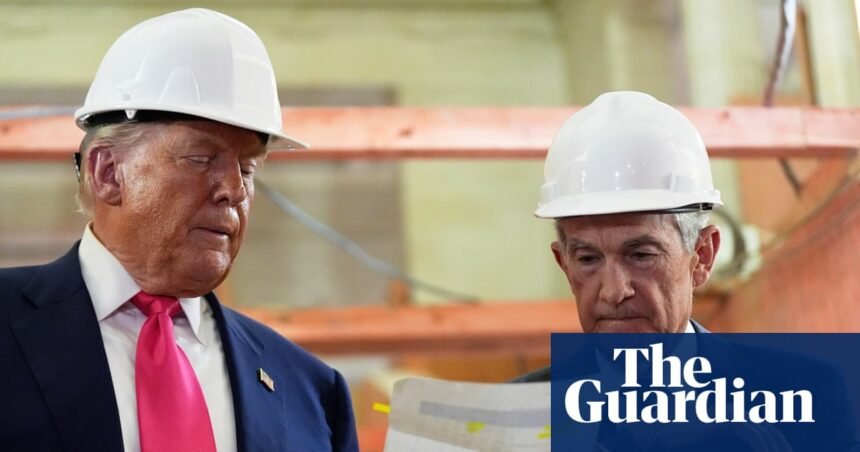
Recent actions from the White House have raised concerns among economists and financial analysts. Former President Donald Trump has been accused of trying to exert pressure on the Fed to cut interest rates, which could undermine the central bank’s independence. This is crucial because a politically influenced Fed may prioritize political goals over economic stability, leading to potential long-term consequences.
Analysts warn that such interference could trigger inflation reminiscent of the 1970s, a period marked by skyrocketing prices and economic turmoil. If the Fed succumbs to political pressure, it may lower interest rates too aggressively, risking overheating the economy and leading to rampant inflation.
### The Risk of a 1970s-Style Inflation
Inflation occurs when prices for goods and services rise, eroding purchasing power. The 1970s saw stagflation—a combination of stagnant economic growth, high unemployment, and high inflation. If the current political climate pressures the Fed to make rash decisions, we could see a return to such economic instability.
The potential effects of this scenario are far-reaching:
– **Increased Borrowing Costs**: If inflation rises sharply, the Fed may be forced to hike interest rates significantly to regain control, leading to higher borrowing costs.
– **Market Volatility**: Investors may react negatively to perceived instability, causing stock and bond markets to fluctuate wildly.
– **Global Backlash**: A destabilized U.S. economy can trigger a global financial crisis, affecting markets worldwide.
### The Importance of Fed Independence
Former Fed chairs have spoken out against political interference, emphasizing the importance of maintaining the central bank’s independence. An independent Fed can make decisions based on economic data rather than political pressures, contributing to a more stable economic environment.
**Actionable Takeaway**: Investors should stay informed about the Fed’s actions and the political landscape. Understanding how these factors influence interest rates and inflation can help you make more informed investment decisions.
### Strategies for Investors
Given the current climate, here are a few strategies to consider:
1. **Diversify Your Portfolio**: A balanced investment strategy can help mitigate risk. Consider including a mix of stocks, bonds, and alternative investments to shield against market volatility.
2. **Stay Liquid**: Maintain a portion of your portfolio in liquid assets that can be quickly accessed. This approach allows you to respond to sudden market changes without incurring significant losses.
3. **Monitor Economic Indicators**: Keep an eye on key economic indicators such as inflation rates, employment data, and Fed announcements. This information can provide insights into future market movements.
4. **Consult Financial Experts**: Engaging with financial advisors can help tailor your investment strategy to navigate potential economic shifts effectively.
### Conclusion
The interplay between political influence and the Federal Reserve’s decision-making is crucial for economic stability. As analysts warn of the risks associated with political pressure on the Fed, investors must remain vigilant and proactive in managing their portfolios. By understanding the implications of these dynamics, you can better position yourself to weather potential economic storms.




