—
### Understanding the Context: Increased Federal Enforcement
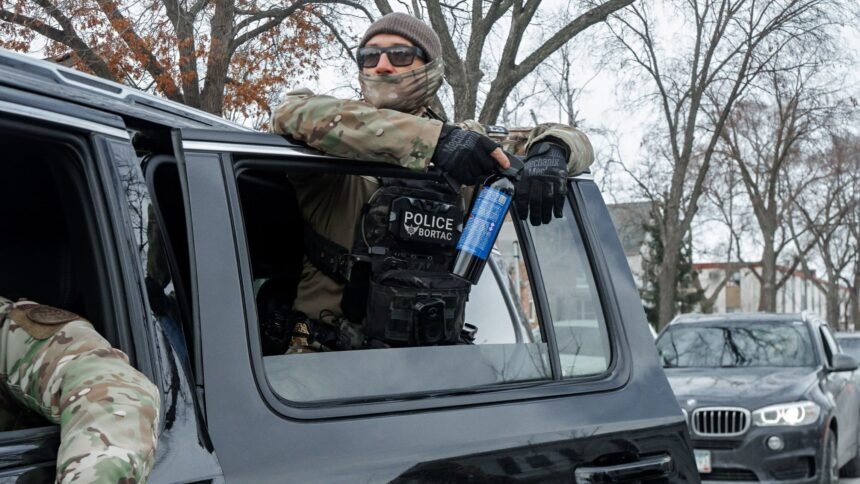
Recent events have triggered a notable increase in federal enforcement activities across various states. This surge comes in the wake of widespread protests following the tragic incident involving an Immigration and Customs Enforcement (ICE) officer who fatally shot a woman in her vehicle. Such incidents often spark public outcry and demand for change, but they also have significant implications for local economies and labor markets.
### Causes of Increased Federal Enforcement
The primary catalyst for this intensified federal presence is the public demand for accountability and justice in the wake of the shooting. Protests can lead to heightened tensions between law enforcement agencies and communities, often prompting federal agencies to step in. This action is typically aimed at restoring order, but it can also signal an increased focus on immigration enforcement and related issues.
### Effects on Local Economies
1. **Disruption of Local Business Operations**: Increased federal enforcement can lead to heightened scrutiny of businesses, particularly those employing immigrant workers. This scrutiny can disrupt operations as businesses may face investigations or even legal challenges. The uncertainty can lead to decreased productivity and, in some cases, business closures.
2. **Labor Market Implications**: The labor market may experience fluctuations as workers, particularly from immigrant communities, may feel insecure and choose to withdraw from the workforce. This withdrawal can result in labor shortages in industries that rely heavily on immigrant labor, such as agriculture, construction, and hospitality. The resultant labor shortage can drive up wages in these sectors, but it can also lead to increased costs for consumers.
3. **Investment Climate**: Investors often look for stability when deciding where to allocate their funds. Increased federal enforcement can create a perception of instability, making local markets less attractive to potential investors. This could lead to a slowdown in economic growth as businesses may hesitate to expand or invest in new projects.
### Actionable Takeaways
1. **Stay Informed**: Business owners and investors should keep abreast of the latest developments in federal enforcement policies and local labor market conditions. Understanding these dynamics will help in making informed decisions about operations and investments.
2. **Diversify Workforce Strategies**: Companies should consider diversifying their workforce strategies to mitigate the impact of potential labor shortages. This could include investing in training programs for domestic workers or exploring automation options to maintain productivity.
3. **Assess Risk and Opportunity**: Investors should evaluate the implications of increased federal enforcement on their portfolios. This includes assessing the risk associated with industries heavily reliant on immigrant labor and identifying sectors that may benefit from changes in the economic landscape.
4. **Engage with Local Communities**: Businesses can foster goodwill and stability by engaging with local communities. Building relationships can help mitigate tensions and create a more supportive environment for operations. This engagement can also enhance a company’s reputation, which is invaluable in times of social unrest.
### Conclusion: Navigating the New Normal
The increase in federal enforcement following the protests is a complex issue with far-reaching implications for local economies and labor markets. As businesses and investors navigate this evolving landscape, it is crucial to stay informed, assess risks, and adapt strategies accordingly. By doing so, they can position themselves to thrive despite the challenges that may arise from heightened federal oversight and community unrest.