—
### Sweden’s Strategic Move in Rare Earth Mining
As global demand for high-tech products continues to soar, the European Union (EU) is racing to secure its own supply of rare earth elements (REEs). Among the frontrunners in this initiative is Sweden, where a dedicated team is working tirelessly beneath the icy landscape of Kiruna to extract these critical resources.
### What Are Rare Earth Elements?
Rare earth elements are a group of 17 minerals essential for various high-tech applications, including smartphones, electric vehicles, and renewable energy technologies. Despite their name, these elements are not particularly rare in terms of abundance; rather, they are challenging to extract and process economically.
### The Current Landscape of Rare Earth Mining in Europe
While several deposits of REEs have been identified across Europe, the continent currently lacks operational rare earth mines. The Swedish initiative aims to change this by accelerating the extraction process. This move is not just about meeting local demand; it is a strategic effort to reduce dependence on imports, particularly from countries like China, which dominates the global rare earth supply chain.
### Why Now? The Urgency Behind the Mining Effort
Several factors are driving the urgency for rare earth mining in Europe:
1. **Technological Demand**: As industries transition towards more sustainable technologies, the demand for REEs is projected to skyrocket. For example, electric vehicles require significant amounts of neodymium and dysprosium for their motors.
2. **Geopolitical Considerations**: The reliance on foreign suppliers, especially from politically unstable regions, poses a risk to Europe’s technological sovereignty. By establishing local sources, the EU aims to secure its supply chain.
3. **Environmental Regulations**: With stringent EU environmental policies, there is a growing push for sustainable mining practices. Sweden’s commitment to eco-friendly extraction could set a precedent for responsible mining in Europe.
### The Kiruna Project: A Closer Look
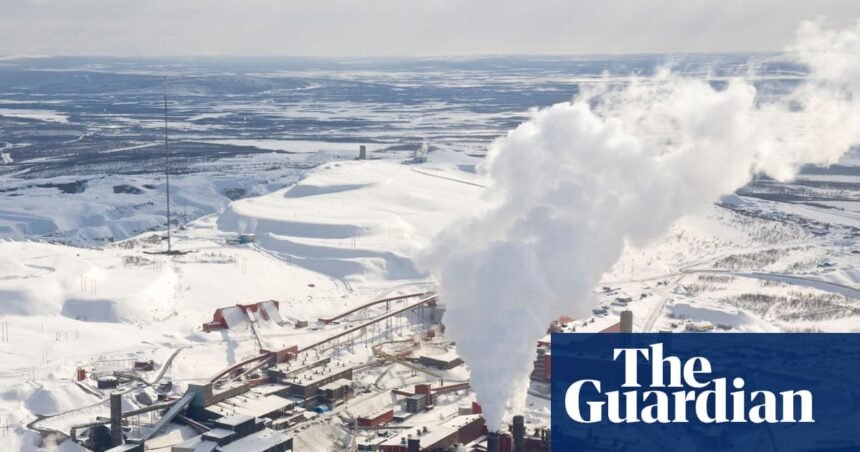
Located 900 meters underground, the Kiruna mining project is emblematic of Sweden’s commitment to leading the EU’s charge in rare earth extraction. Here, a team of 20 workers is engaged in pioneering efforts to streamline extraction processes, making them more efficient and environmentally friendly. Despite the harsh Arctic conditions, their work represents a significant step towards operationalizing rare earth mining in Europe.
### Implications for Investors
For investors, the developments in Kiruna and the broader EU context present several actionable insights:
– **Opportunity in Mining Stocks**: Companies involved in rare earth mining, especially those with operations in Europe, may see increased valuation as demand rises. Keep an eye on stocks of firms that are pioneering sustainable mining practices.
– **Focus on Supply Chain Security**: Investments in companies that prioritize local sourcing of raw materials could provide a hedge against geopolitical risks. As the EU seeks to build its own supply chains, companies that can demonstrate reliability and sustainability may attract more investment.
– **Venture into Technology**: With the push for green technologies, consider investing in firms that utilize rare earths in their products. The transition to electric vehicles and renewable energy sources will likely accelerate demand for REEs, presenting significant growth opportunities.
### Conclusion
Sweden’s efforts to establish itself as a leader in rare earth mining are not just a local initiative; they are part of a larger strategy to secure Europe’s technological future. As the world shifts towards more sustainable practices, the importance of rare earth elements will only grow. Investors should pay attention to this dynamic sector, as opportunities for growth and innovation abound.