—
### EU Commission Responds to Farmers’ Opposition Over Trade Deal
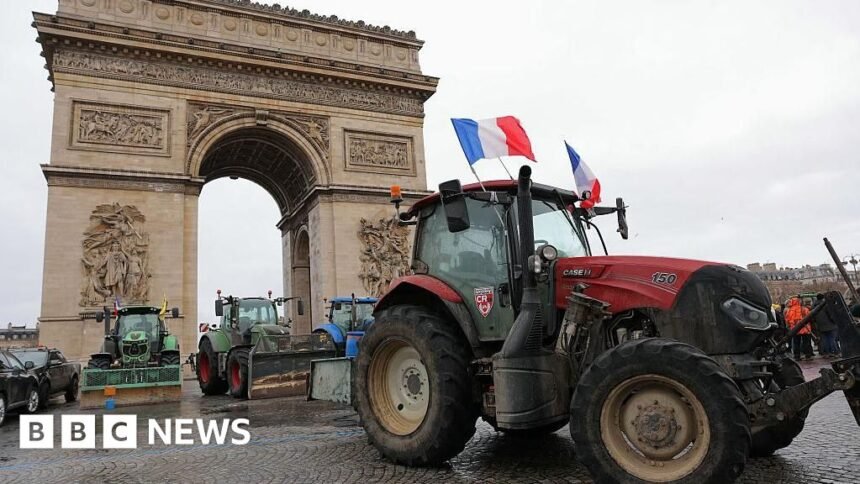
In a recent development, the European Union (EU) Commission has sought to address concerns raised by farmers regarding a controversial trade agreement. While some agricultural stakeholders have voiced opposition, the Commission asserts that it has taken these concerns into account. This article explores the implications of this trade deal, its potential impact on the agricultural sector, and what investors should consider moving forward.
### Understanding the Trade Deal
Trade deals are agreements between countries that outline how they will conduct business with one another. These agreements can cover a wide range of issues, including tariffs, import/export regulations, and agricultural standards. The aim is often to boost economic growth by facilitating trade and reducing barriers.
In this case, the EU Commission is negotiating terms that could significantly open up markets for agricultural products. While this could mean increased exports for some farmers, it also raises fears among others about competition from imported goods, potentially leading to lower prices and reduced profitability.
### Farmers’ Concerns: A Call for Balance
Farmers across Europe have expressed apprehension regarding the trade deal, fearing that it may undermine their livelihoods. Key concerns include:
– **Increased Competition:** Farmers worry that an influx of cheaper imported goods could lead to lower prices for their products, squeezing their profit margins.
– **Regulatory Standards:** There are fears that imported agricultural products may not meet the same stringent health and safety standards that EU farmers adhere to, creating an uneven playing field.
– **Market Access:** Some farmers are concerned that the trade deal may prioritize certain agricultural sectors over others, leaving them vulnerable.
The EU Commission has acknowledged these concerns, emphasizing its commitment to listening to the agricultural community. This approach aims to strike a balance between fostering trade and ensuring the sustainability of local farming practices.
### Causes and Effects: The Broader Economic Landscape
The push for trade agreements like this one is often driven by broader economic goals. The EU seeks to enhance its global competitiveness and stimulate economic growth by opening new markets for its products. However, the effects of such agreements can be complex:
– **Economic Growth:** By fostering trade, the EU hopes to boost economic activity, which can lead to job creation and increased tax revenues.
– **Market Volatility:** Increased competition can lead to fluctuations in market prices, affecting both farmers and consumers.
– **Political Tensions:** Discontent among farmers can lead to political backlash, potentially jeopardizing future trade negotiations.
### Actionable Insights for Investors
For investors, understanding the dynamics of trade deals and their implications for various sectors is crucial. Here are some actionable takeaways:
1. **Monitor Policy Developments:** Keep an eye on ongoing negotiations and policy changes related to trade agreements. This can provide insights into market trends and potential investment opportunities.
2. **Diversify Agricultural Investments:** Consider diversifying your investments in agriculture. Investing in a mix of sectors can help mitigate risks associated with market fluctuations due to trade agreements.
3. **Evaluate Supply Chain Impacts:** Analyze how trade deals may affect supply chains. Companies that rely heavily on agricultural products may experience changes in costs and pricing, which can impact their profitability.
4. **Stay Informed on Regulatory Standards:** Understanding the regulatory landscape can provide insights into which companies may benefit or suffer as trade agreements alter market conditions.
### Conclusion
The EU Commission’s response to farmers’ concerns highlights the delicate balance between promoting trade and protecting local agricultural interests. As these negotiations unfold, investors should remain vigilant, adapting their strategies to navigate the evolving landscape of international trade and its implications for the agricultural sector. By staying informed and diversifying their portfolios, investors can better position themselves to capitalize on opportunities while mitigating potential risks.