—
### Understanding the Economic Landscape: Foodbank Use and Hospitality Trade
As we navigate through fluctuating economic conditions, two critical indicators are emerging: foodbank usage and the performance of the hospitality sector. These metrics not only reflect consumer behavior but also serve as barometers for overall economic health. Let’s break down these terms and their implications for both consumers and investors.
### Foodbank Usage: A Sign of Economic Strain
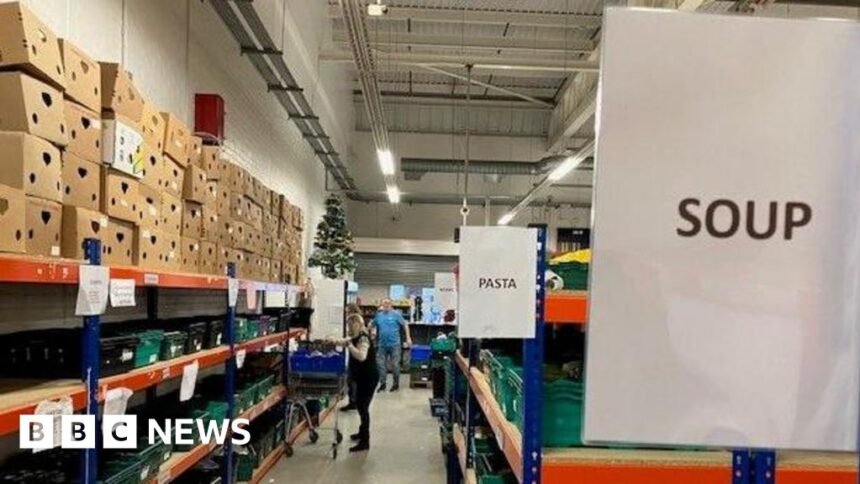
Foodbanks are nonprofit organizations that provide food assistance to individuals and families in need. An increase in foodbank use often signals rising economic distress among the population. High foodbank utilization can indicate several issues, including:
– **Rising Living Costs**: When essential expenses like housing and utilities increase, families may struggle to afford adequate nutrition, leading them to seek assistance.
– **Stagnant Wages**: If wages do not keep pace with inflation, purchasing power declines, pushing more people to rely on foodbanks.
**Actionable Takeaway**: For consumers, the rise in foodbank usage may necessitate a reassessment of personal finances. Budgeting for essential expenses and exploring local assistance programs can provide immediate relief.
### Hospitality Trade: A Reflection of Consumer Confidence
The hospitality industry, encompassing restaurants, hotels, and entertainment venues, thrives on discretionary spending. When consumers feel financially secure, they are more likely to dine out or travel, boosting the hospitality sector. Conversely, a downturn in this industry can indicate:
– **Decreased Consumer Spending**: Economic uncertainty often leads consumers to cut back on non-essential expenditures, directly impacting hospitality revenues.
– **Job Losses**: A struggling hospitality sector can result in layoffs, further exacerbating economic challenges and increasing reliance on food assistance.
**Actionable Takeaway**: For investors, monitoring the hospitality sector’s performance can provide insights into broader economic trends. Identifying companies with strong financial health and innovative strategies can lead to profitable investment opportunities.
### The Interconnection: What These Indicators Mean for the Economy
The relationship between foodbank usage and the hospitality trade is cyclical. High foodbank usage often correlates with weaker hospitality performance, creating a feedback loop that can exacerbate economic challenges. For instance:
– **Economic Downturn**: Increased reliance on foodbanks can lead to lower spending in the hospitality sector, resulting in reduced revenues and potential job losses.
– **Recovery Phase**: Conversely, if foodbank usage declines and the hospitality sector shows signs of growth, it may indicate a recovering economy, suggesting improved consumer confidence and spending power.
**Actionable Takeaway**: For policymakers and community leaders, addressing the root causes of food insecurity can foster a healthier economy. Initiatives aimed at increasing wages, controlling living costs, and supporting local businesses can create a positive cycle of economic recovery.
### Conclusion: Keeping an Eye on the Indicators
As we move forward, understanding the dynamics between foodbank usage and the hospitality trade will be crucial for both consumers and investors. Monitoring these indicators can help individuals make informed financial decisions and allow businesses to adapt to changing market conditions.
In summary, a rise in foodbank usage signals economic distress, while a thriving hospitality industry reflects consumer confidence. By staying informed and proactive, we can navigate the complexities of our economic landscape more effectively.