—
# Understanding the Post-Christmas Shopping Surge
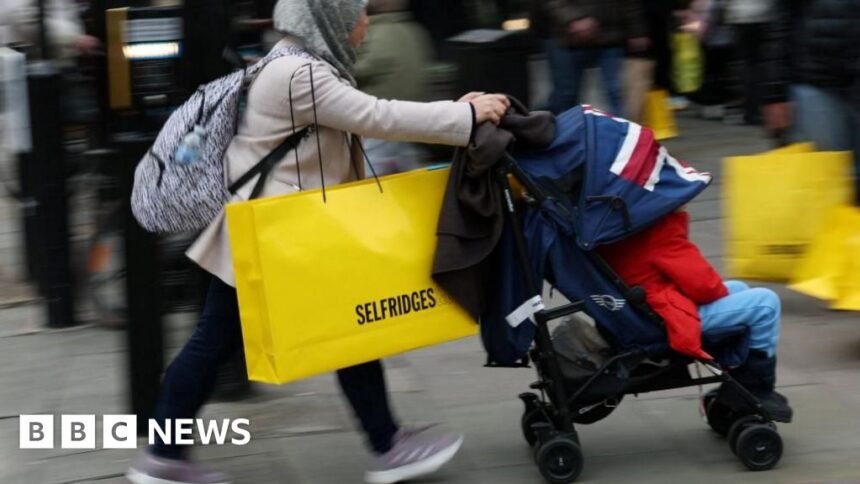
Recent data indicates that the increase in post-Christmas shopping this year is the strongest we’ve seen in a decade. This trend raises important questions about consumer behavior, economic conditions, and the implications for retailers and investors alike.
## What’s Behind the Surge?
### Increased Consumer Confidence
One of the primary drivers of this significant rise in shopping activity is the increased consumer confidence observed in recent months. Following a challenging economic period marked by inflation and uncertainty, consumers are feeling more optimistic about their financial situations. This renewed confidence is leading to greater discretionary spending, particularly during the post-holiday sales season.
### Discounts and Promotions
Retailers have also played a pivotal role in this surge by offering deep discounts and attractive promotions post-Christmas. Many consumers are eager to take advantage of these sales to purchase items they may have missed during the holiday shopping rush. This strategy not only helps clear out inventory but also stimulates additional spending from budget-conscious shoppers looking for deals.
### E-commerce Growth
The ongoing expansion of e-commerce platforms has made shopping more accessible than ever. With convenience at their fingertips, consumers are increasingly turning to online shopping for both essential and non-essential items. This shift has contributed significantly to the surge in post-Christmas sales, as shoppers can easily compare prices and find the best deals from the comfort of their homes.
## The Economic Implications
### Positive Impact on Retailers
For retailers, the surge in post-Christmas shopping represents a significant opportunity to boost revenue after the holiday season. Strong sales figures can improve a retailer’s overall financial health, leading to increased stock prices and greater investor confidence. Retailers that successfully capitalize on this trend can expect to see a positive impact on their bottom line, which may also encourage them to invest further in marketing and inventory.
### Broader Economic Signals
Beyond individual retailers, the surge in consumer spending can be seen as a positive indicator for the broader economy. Increased retail sales often correlate with overall economic growth, suggesting that consumers are willing to spend money, which can stimulate job creation and further investment in various sectors.
## Actionable Takeaways for Retailers and Investors
### For Retailers
1. **Leverage Data Analytics**: Retailers should analyze shopping patterns and consumer preferences during this surge to tailor future marketing strategies. Understanding what products are in demand can help optimize inventory and promotional efforts.
2. **Enhance Omnichannel Experience**: As e-commerce continues to thrive, retailers should ensure a seamless shopping experience across both online and physical stores. This may involve improving website functionality, offering click-and-collect options, or enhancing customer service.
3. **Plan for Future Promotions**: Given the success of post-Christmas promotions, retailers should consider planning similar sales events throughout the year to maintain consumer engagement and drive sales during traditionally slower periods.
### For Investors
1. **Monitor Retail Stocks**: Investors should keep an eye on retail stocks that show strong gains during this surge. Companies with effective promotional strategies and robust online sales channels may be well-positioned for continued growth.
2. **Assess Economic Indicators**: Understanding broader economic indicators, such as consumer confidence and spending trends, can provide valuable insights into potential investment opportunities in the retail sector.
3. **Diversify Investments**: Given the cyclical nature of retail, investors may want to diversify their portfolios to hedge against potential downturns. This could involve exploring industries that are less sensitive to economic fluctuations.
## Conclusion
The surge in post-Christmas shopping is not just a fleeting trend; it reflects deeper shifts in consumer behavior and economic conditions. By understanding the causes and implications of this phenomenon, retailers and investors can make informed decisions that capitalize on the current retail landscape. As we move further into the year, keeping a close watch on consumer trends will be essential for leveraging opportunities in the retail market.