—
## France Criticizes US Visa Sanctions
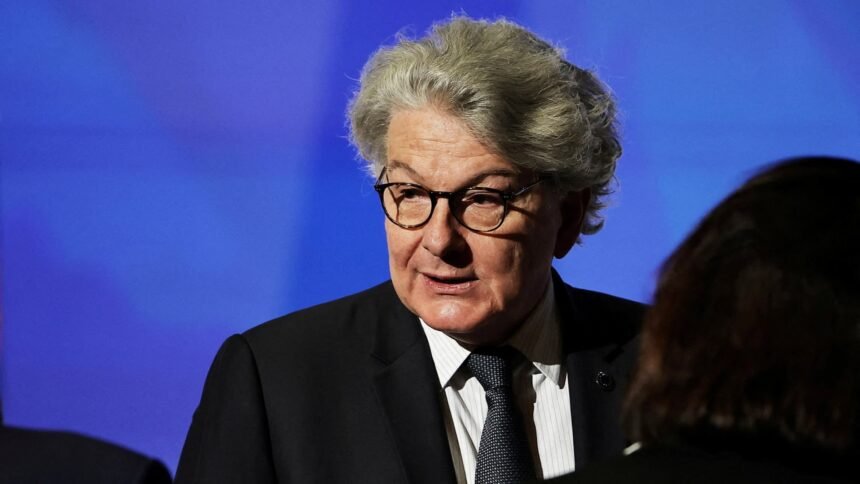
In a recent development, France has voiced strong opposition to the United States’ new visa sanctions, which are part of Washington’s broader strategy to address what it terms the “global censorship-industrial complex.” This term refers to a network of government entities, private companies, and organizations that the US believes are working together to suppress free speech and control information flow worldwide.
### Understanding Visa Sanctions
Visa sanctions are restrictions placed on individuals or entities that prevent them from entering a country. In this case, the US aims to hold accountable foreign officials and organizations involved in censorship efforts. The sanctions serve as a tool for the US government to promote human rights and free expression, but they can also strain diplomatic relations with affected countries.
### The French Response
France’s government has responded critically, arguing that these sanctions could have unintended consequences, potentially harming diplomatic relations and collaboration on global issues. French officials emphasize that imposing such measures may not effectively combat censorship and could instead create divisions between nations.
### Causes of the Sanctions
The US sanctions stem from a growing concern over the suppression of free speech globally. The rise of authoritarian regimes and the increasing control of information through digital platforms have prompted the US to take a stand. By targeting individuals and organizations involved in censorship, the US aims to promote transparency and accountability on a global scale.
### Effects on International Relations
The imposition of visa sanctions can lead to significant diplomatic repercussions. Countries that feel targeted may retaliate by imposing their own sanctions or limiting cooperation in areas such as trade, security, and environmental issues. For France, which has a vested interest in maintaining strong international partnerships, these tensions could hinder collaborative efforts on pressing global challenges like climate change and security.
### Actionable Takeaways for Investors
1. **Monitor Political Developments**: Investors should keep a close eye on the evolving situation between the US and France, as shifts in diplomatic relations can impact markets, especially in sectors like technology, defense, and international trade.
2. **Assess Risk Exposure**: Companies operating internationally should evaluate their exposure to regions where visa sanctions may be implemented. This includes understanding the potential for supply chain disruptions or changes in market access.
3. **Diversify Investments**: Given the unpredictability of international relations, diversifying investments across various geographies can help mitigate risks associated with geopolitical tensions.
4. **Engage in Advocacy**: Investors and companies can advocate for policies that promote free speech and transparency while also supporting initiatives that foster international cooperation. This not only aligns with ethical considerations but can also enhance brand reputation.
### Conclusion
The clash between France and the US over visa sanctions highlights the complexities of global governance, especially regarding free speech and censorship. As these dynamics unfold, investors must remain vigilant, adapting their strategies to navigate the evolving landscape of international relations. By understanding the implications of these sanctions, investors can make more informed decisions that align with their financial goals while considering the broader socio-political context.