—
### Understanding the Black Friday Footfall Trends
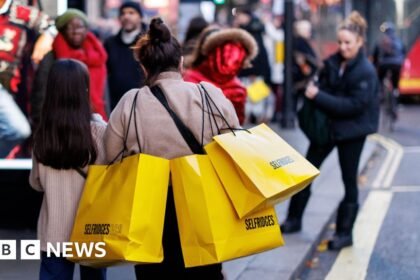
Black Friday, traditionally one of the busiest shopping days in the UK, has produced mixed results this year. While many high streets experienced a decline in foot traffic, the iconic West End of London saw a notable increase in shoppers. This divergence raises important questions about changing consumer behaviors and the future of retail.
### Decline on UK High Streets
Many retailers on UK high streets reported a drop in footfall compared to previous years. Several factors contributed to this trend:
1. **Shift to Online Shopping**: The pandemic accelerated the shift towards e-commerce, with many consumers preferring the convenience of online shopping over in-store visits. Retailers that rely heavily on foot traffic are feeling the impact as consumers become more accustomed to browsing and purchasing from home.
2. **Economic Concerns**: Rising inflation and the cost-of-living crisis have made consumers more cautious with their spending. Many shoppers are opting to save money rather than splurge on Black Friday deals, leading to reduced footfall in physical stores.
3. **Changes in Consumer Behavior**: There has been a noticeable shift in how consumers approach Black Friday. Instead of waiting for the day itself, many shoppers are taking advantage of early sales and promotions, diminishing the significance of the day for brick-and-mortar stores.
### The West End’s Resilience
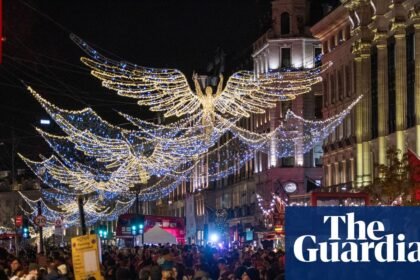
In contrast, the West End of London experienced an increase in shopper numbers, highlighting its unique appeal. Several reasons account for this uptick:
1. **Tourist Attractions**: The West End is not just a shopping destination; it is also a cultural hub. The combination of shopping, dining, and entertainment draws both locals and tourists, creating a vibrant atmosphere that encourages spending.
2. **Experiential Shopping**: Retailers in the West End often focus on providing an experience rather than just a transaction. Events, special promotions, and a festive ambiance attract shoppers looking for a more engaging outing.
3. **Luxury Market Strength**: The West End is home to several high-end retailers that cater to affluent customers. Despite economic pressures, luxury consumers tend to be less affected by downturns, continuing to spend on premium goods.
### Implications for Retailers
The contrasting trends between UK high streets and the West End offer key takeaways for retailers:
1. **Embrace Omnichannel Strategies**: Retailers should consider integrating both online and offline experiences. Offering click-and-collect services, personalized online promotions, and targeted in-store events can help bridge the gap between e-commerce and physical shopping.
2. **Focus on Customer Experience**: To compete with the convenience of online shopping, retailers must enhance the in-store experience. This could involve creating engaging displays, hosting events, or providing exceptional customer service that encourages footfall.
3. **Adapt to Consumer Preferences**: Understanding shifting consumer behaviors is crucial. Retailers should analyze sales data, gather customer feedback, and monitor market trends to adapt their strategies accordingly. Offering exclusive in-store promotions or loyalty programs can entice customers back to high streets.
4. **Leverage Local Events and Tourism**: For retailers in areas like the West End, tapping into local events and tourism can drive traffic. Collaborating with nearby attractions or hosting community events can enhance visibility and draw in shoppers.
### Conclusion
The mixed results from Black Friday highlight the evolving landscape of retail in the UK. While high streets face challenges, the success of the West End demonstrates that there are still opportunities for growth. Retailers must adapt to changing consumer preferences and enhance their offerings to thrive in this competitive environment. By embracing omnichannel strategies and focusing on customer experience, retailers can position themselves for success in the future.