—
# Netflix Takes Control of Iconic Franchises: Implications for Investors
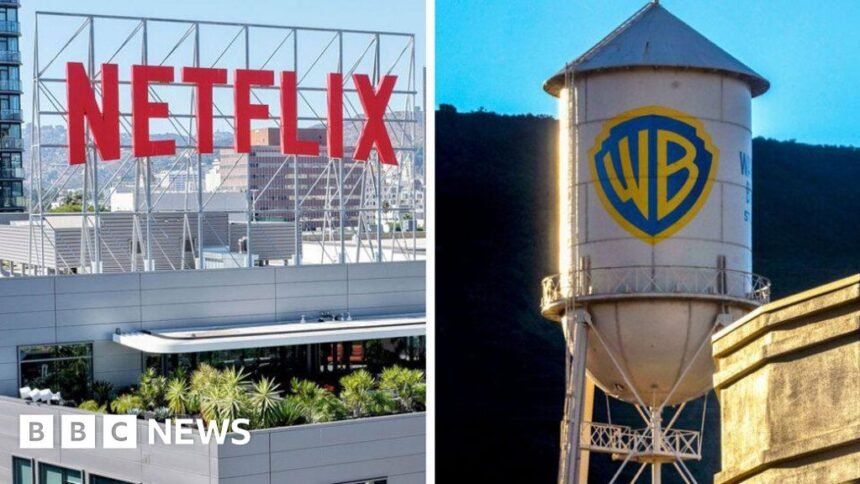
In a groundbreaking move, Netflix has secured ownership of some of the most valuable franchises in entertainment history, including *Harry Potter* and *Game of Thrones*. This acquisition is poised to significantly alter the streaming landscape and presents both opportunities and challenges for investors. Let’s break down the key terms, causes, effects, and what you can do in response.
## Understanding the Deal: Key Terms Explained
### Franchises
In the entertainment industry, a franchise refers to a series of related products, often based on a central theme or story. This includes movies, TV shows, merchandise, and more. The *Harry Potter* and *Game of Thrones* franchises are among the most lucrative, generating billions in revenue through various channels.
### Ownership
By acquiring these franchises, Netflix gains the rights to produce new content, such as spin-offs, sequels, or reboots. This strategic move not only enhances Netflix’s content library but also allows it to leverage existing fan bases.
## Causes of the Acquisition
### Competitive Pressure
The streaming market is highly competitive, with platforms like Disney+, Amazon Prime Video, and HBO Max vying for viewer attention. Acquiring established franchises allows Netflix to differentiate itself and attract new subscribers.
### Content Demand
Consumer demand for original and exclusive content has surged. By owning popular franchises, Netflix can create a steady stream of new content that appeals to a broad audience, thus increasing viewer retention.
### Strategic Growth
Netflix’s decision aligns with its long-term growth strategy. By investing in proven franchises, the company aims to enhance its market share and financial performance, ultimately driving shareholder value.
## Effects on the Streaming Landscape
### Increased Competition
With Netflix now holding the rights to major franchises, other streaming services may feel pressured to invest in exclusive content. This could lead to a bidding war for other franchises, driving up content production costs across the industry.
### Viewer Engagement
Ownership of beloved franchises could lead to higher viewer engagement. Fans of *Harry Potter* and *Game of Thrones* are likely to flock to Netflix for exclusive content, potentially boosting subscriber numbers and revenue.
### Content Diversification
Netflix can diversify its content offerings by exploring various genres and formats related to these franchises. For instance, it could develop animated series, documentaries, or even video games, tapping into multiple revenue streams.
## Actionable Takeaways for Investors
### Monitor Netflix’s Performance
Investors should closely monitor Netflix’s subscriber growth and engagement metrics following the acquisition. A noticeable uptick could indicate a successful strategy, making Netflix a more attractive investment.
### Evaluate Competitive Landscape
Keep an eye on how competitors respond to Netflix’s move. If they ramp up their content investments, it could impact market dynamics and Netflix’s growth trajectory.
### Consider Diversification
Investors may want to diversify their portfolios by looking into other streaming companies or related entertainment sectors. As the competition heats up, opportunities may arise in unexpected areas.
### Stay Informed on Content Releases
Being aware of upcoming releases tied to the *Harry Potter* and *Game of Thrones* franchises can provide insights into Netflix’s performance and consumer sentiment. This knowledge can help inform investment decisions.
## Conclusion
Netflix’s acquisition of iconic franchises like *Harry Potter* and *Game of Thrones* represents a significant shift in the streaming landscape. By understanding the implications of this deal, investors can better navigate the evolving market and identify potential opportunities. As always, staying informed and adaptable is key to making sound financial decisions in this dynamic environment.