—
### Understanding the Cost-of-Living Crisis
As inflation continues to rise, many individuals and families are feeling the financial squeeze. The term “cost of living” refers to the amount of money needed to maintain a certain standard of living, which includes expenses such as housing, food, healthcare, and transportation. When these costs increase—often due to economic factors like inflation or supply chain disruptions—many struggle to make ends meet.
### The Emergence of Free Drop-In Venues
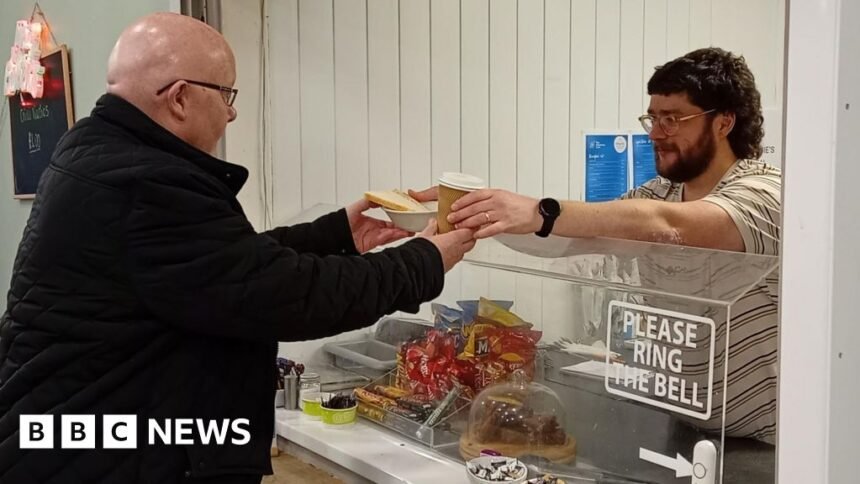
In response to these mounting pressures, dozens of community venues are stepping up to offer free drop-in services. These locations provide a supportive environment where individuals can seek help without the burden of financial cost. Services may include access to food, financial counseling, job search assistance, and mental health support.
### Causes of the Cost-of-Living Crisis
Several factors are contributing to the current cost-of-living crisis:
– **Inflation**: Rising prices for everyday goods and services have outpaced wage growth, leaving many with less disposable income.
– **Supply Chain Issues**: Disruptions caused by the pandemic and geopolitical tensions have led to shortages and increased costs for essential items.
– **Energy Prices**: Fluctuations in energy costs can significantly impact household budgets, particularly as many people rely heavily on heating and electricity.
### The Impact on Communities
The effects of the cost-of-living crisis can be profound. Increased financial strain can lead to higher stress levels, mental health issues, and even food insecurity. Communities are feeling the weight of these challenges, prompting local organizations and venues to take action.
By providing free drop-in services, these venues not only offer immediate relief but also foster a sense of community and support. They serve as vital resources for those in need, helping to mitigate the effects of financial hardship.
### Actionable Takeaways
1. **Seek Local Resources**: If you are feeling the impact of rising living costs, research local venues that offer free drop-in services. These can provide essential support without financial burden.
2. **Utilize Financial Counseling**: Many of these venues offer financial counseling services. Take advantage of this to gain insights into budgeting and managing expenses more effectively.
3. **Engage with Community Programs**: Participate in community programs or workshops that focus on financial literacy. Understanding how to manage your finances can be a game-changer in times of economic uncertainty.
4. **Advocate for Change**: Consider getting involved in local advocacy efforts aimed at addressing the root causes of the cost-of-living crisis. Engaging with policymakers can help push for solutions that benefit the wider community.
5. **Stay Informed**: Keep abreast of economic trends and changes in your area. Understanding the broader economic landscape can help you make informed financial decisions.
### Conclusion
As the cost-of-living crisis continues to affect many, community venues offering free drop-in services play a crucial role in providing support and relief. By understanding the underlying causes and taking proactive steps, individuals can navigate these challenging times more effectively. Remember, you are not alone—resources are available, and community support is just a drop-in away.