—
# Enhancing U.S. Energy Reliability: The Need for Gas Infrastructure Expansion
The National Association of Regulatory Utility Commissioners (NARUC) has recently published a report emphasizing the urgent need for enhanced natural gas infrastructure and storage capabilities in the United States. The findings stem from the work of the Gas-Electric Alignment for Reliability (GEAR) task force, formed in 2023 to address the increasing demand for energy and improve coordination between the gas and electric sectors.
## Understanding the Current Energy Landscape
The U.S. energy landscape is undergoing significant changes, driven by rising electricity demand and a growing reliance on gas-fired generation. This shift has sometimes left the power sector vulnerable, particularly during extreme weather events when gas supplies are disrupted. For instance, during Winter Storm Uri in February 2021, Texas faced severe energy shortages and blackouts when gas production facilities were forced to shut down. This incident tragically resulted in nearly 250 fatalities.
The GEAR report highlights that unplanned outages due to fuel supply issues accounted for a significant portion of generator failures during subsequent storms, underscoring the critical need for a more robust and interconnected energy system.
## Key Findings and Recommendations
The GEAR task force put forth nine recommendations aimed at enhancing reliability and affordability in electricity services. Here are the key takeaways:
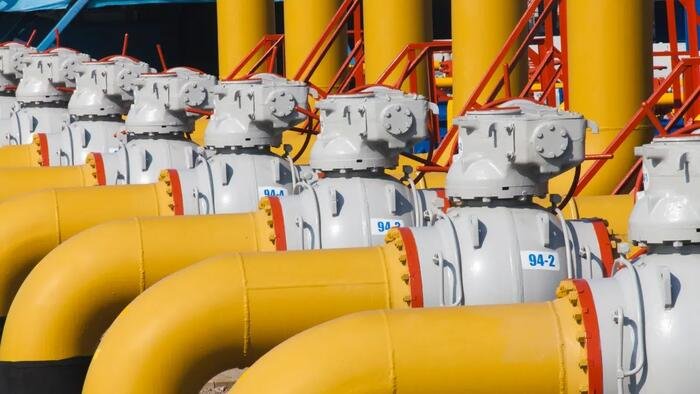
1. **Infrastructure Development**: The report stresses the importance of developing additional natural gas pipeline infrastructure and storage facilities. This expansion is crucial for ensuring a steady supply of fuel to gas-fired power plants, especially during peak demand periods.
2. **Natural Gas Readiness Forum**: Establishing a readiness forum for natural gas is recommended to facilitate better communication and coordination among stakeholders. This platform would focus on improving supplier performance in extreme weather conditions.
3. **Demand Response Initiatives**: Implementing demand response initiatives for gas utilities can help manage consumption during peak periods, ensuring that gas supply aligns with electricity demand.
4. **Market Tools and Incentives**: The report suggests creating new market tools to incentivize gas pipeline capacity releases, which can enhance flexibility and responsiveness in the gas supply chain.
5. **Strategic Storage Investments**: Regulators and grid operators should adopt a strategic approach to increase investment in gas storage. This will empower end-users and provide greater control over supply needs.
## The Path Forward
While there was some support for creating a Gas Reliability Organization similar to the North American Electric Reliability Corporation, the majority of task force members deemed it unnecessary for improving gas-electric reliability. The report also indicated that changes to the timing of gas and electric market schedules were not prioritized, despite their potential benefits.
Moreover, discussions around modifying force majeure contract provisions—designed to address supply disruptions—were found to be unproductive. Instead, the focus should be on better understanding these provisions and developing strategies to mitigate their impacts.
## Actionable Insights for Stakeholders
For regulators, utilities, and investors, the GEAR report serves as a vital resource for shaping future energy policy. Here are some actionable steps:
– **Invest in Infrastructure**: Stakeholders should prioritize investments in natural gas infrastructure and storage to ensure reliability in energy supply.
– **Enhance Coordination**: Foster collaboration between gas and electric sectors to align operations and improve overall system resilience.
– **Support Policy Development**: Engage with regulatory bodies to advocate for policies that enhance the integration of gas and electric systems, ensuring that the U.S. energy landscape can adapt to future challenges.
– **Monitor Weather Preparedness**: Utilities should implement enhanced winter readiness measures, learning from past experiences to prevent future outages.
By taking these steps, stakeholders can contribute to a more reliable and efficient energy system that meets the demands of a changing landscape.