**SEO_TITLE:** Letitia James Challenges Condé Nast Over Employee Terminations: Implications for Labor Relations
**META_DESC:** New York Attorney General Letitia James is taking a stand against Condé Nast’s recent employee terminations, raising questions about labor rights and workplace policies. Understand the implications for businesses and actionable insights for navigating potential legal challenges.
**TAGS:** Letitia James, Condé Nast, labor relations, employee rights, workplace policies, layoffs, union activism
—
### Understanding the Situation: Letitia James vs. Condé Nast
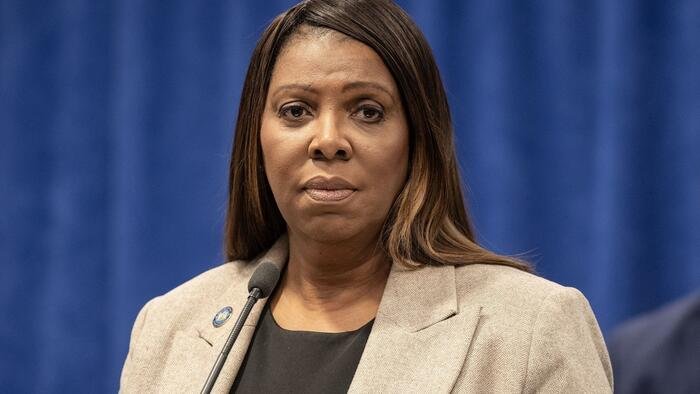
New York Attorney General Letitia James has set her sights on Condé Nast, the media conglomerate behind brands like Vogue and The New Yorker. This comes after the company terminated four employees involved in a confrontation with the Chief People Officer, Stan Duncan. This incident has sparked a broader discussion around labor rights, workplace policies, and the implications of layoffs.
### The Cause: Confrontation and Layoffs
The confrontation stemmed from employee concerns about the company’s handling of layoffs, particularly during a restructuring that affected several editorial teams, including Vogue and WIRED. Union members argued that the layoffs disproportionately impacted marginalized groups, notably women of color and transgender individuals.
These layoffs have raised questions about equity in the workplace and the ethical responsibilities of large corporations, especially in creative industries. The union claims that such terminations highlight systemic issues within Condé Nast and broader labor practices.
### The Reaction: Legal and Political Ramifications
Letitia James has voiced strong support for the terminated employees, framing her intervention as a defense of workers’ rights. She accused Condé Nast of employing “grossly illegal tactics” and union busting, emphasizing the importance of free speech and the right to question employers.
Condé Nast, on the other hand, maintains that the terminations were justified due to employee disruptions. They argue that protecting the workplace from harassment and intimidation is essential for maintaining a productive environment. The company has stated that they are prepared to respond to any legal inquiries from James’ office.
### The Broader Impact: Labor Relations and Corporate Culture
This incident is not just a localized dispute; it reflects a growing tension between employees and management in New York’s corporate landscape. Many businesses are navigating a more hostile environment, particularly with the election of leaders who advocate for stronger labor protections.
Executives and business owners need to be aware of the potential legal implications when handling employee grievances and layoffs. The National Labor Relations Board (NLRB) will likely play a crucial role in adjudicating this dispute, and businesses must prepare for possible repercussions.
### Actionable Takeaways for Businesses
1. **Review Workplace Policies:** Companies should assess their policies regarding employee conduct and terminations to ensure compliance with labor laws. Clear guidelines can help mitigate potential legal disputes.
2. **Engage in Open Dialogue:** Foster a culture of communication between management and employees. Regular check-ins can help identify issues before they escalate into confrontations or legal challenges.
3. **Understand Labor Rights:** Business leaders should familiarize themselves with labor laws and employee rights to protect their organizations from legal repercussions and foster a culture of respect.
4. **Monitor Public Sentiment:** Keep an eye on political and social movements that may affect labor relations. Understanding the broader context can help companies navigate challenges more effectively.
5. **Prepare for Grievances:** Establish a clear procedure for addressing employee grievances. This not only helps resolve issues but also demonstrates a commitment to fair treatment and transparency.
### Conclusion: Navigating the Future
As Letitia James continues to challenge Condé Nast, the outcome of this situation may have lasting implications for labor relations across industries. Companies should take this opportunity to evaluate their practices and ensure they are fostering an inclusive and compliant workplace. Understanding the legal landscape and engaging with employees can pave the way for a more harmonious corporate environment.