—
### Background: Ukraine’s Current Crisis
Ukraine is currently facing significant challenges, both on the battlefield and at home. The government, led by President Volodymyr Zelensky, is under scrutiny due to a corruption scandal linked to its struggling state energy sector. Amid this turmoil, German Chancellor Friedrich Merz has made a compelling call for young Ukrainian men to return home to support their country’s defense efforts.
### Key Remarks from Chancellor Merz
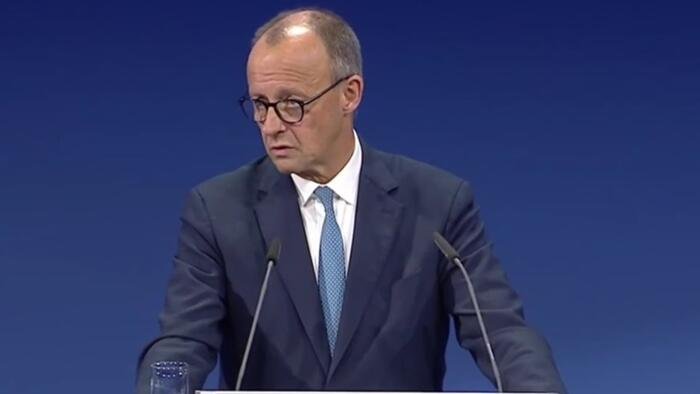
In a recent televised address, Chancellor Merz emphasized the need for Ukrainian men, particularly those of fighting age, to remain in Ukraine rather than seeking refuge in Germany. He stated, “I asked the Ukrainian president to ensure that young men in particular from Ukraine do not come to Germany in large numbers but that they serve their country. They are needed there.”
This statement reflects growing concerns within Merz’s conservative coalition about the rising number of young men fleeing Ukraine for Western Europe. The Chancellor’s remarks indicate a shift in Germany’s stance toward the influx of Ukrainian migrants, particularly as the country grapples with its own political dynamics and the far-right’s criticism of the government’s support for Ukraine.
### The Policy Shift: Easing Exit Rules
Zelensky’s administration recently relaxed exit rules for young men aged 18 to 22, allowing them to leave Ukraine for the first time since the war began. This policy change has led to a significant exodus; reports indicate that nearly 100,000 fighting-age men have left the country in just the past two months. Under current Ukrainian law, only men aged 25 and older can be drafted into military service, creating a scenario where a substantial portion of the younger demographic can leave without facing immediate conscription.
### Implications for Ukraine’s Military Efforts
This exodus poses critical implications for Ukraine’s military capabilities. American officials have expressed concerns that Ukraine is not utilizing its most eligible fighting-age demographic. Critics argue that while the U.S. continues to provide billions in military aid, Ukraine is not fully mobilizing its resources to counter Russian aggression effectively.
### Political Ramifications in Germany
The growing presence of young Ukrainian men in Germany has raised alarms within Merz’s ruling coalition, particularly among members who fear that the far-right Alternative for Germany (AfD) party will leverage this situation to criticize the government. This political sensitivity underscores the importance of addressing both the humanitarian and military aspects of the ongoing conflict.
### Actionable Takeaways for Investors and Policymakers
1. **Monitor Policy Changes**: Investors and policymakers should closely observe any shifts in Ukraine’s military conscription policies and Germany’s immigration stance. Changes could impact labor markets and geopolitical stability in Europe.
2. **Evaluate Risk Exposure**: Companies operating in or with ties to Ukraine should assess their exposure to potential disruptions stemming from the ongoing conflict and the demographic shifts occurring due to these policies.
3. **Stay Informed on Political Dynamics**: Understanding the political landscape in Germany, particularly as it relates to immigration and military support for Ukraine, will be crucial for stakeholders in European markets.
4. **Consider Humanitarian Efforts**: As the situation evolves, there may be opportunities for investment in humanitarian aid and support services aimed at refugees, both in Ukraine and across Europe.
In conclusion, the situation in Ukraine is fluid, with significant implications for both military strategy and political dynamics in Europe. Stakeholders need to remain vigilant and proactive in their approaches to navigate this complex landscape.