—
## Introduction to New Trade Frameworks
On Thursday, the Trump administration revealed plans for trade agreements with four Latin American countries. This announcement is significant as it aims to ease tariffs on essential commodities, particularly coffee and bananas, which are vital to both local economies and U.S. consumers. Understanding the implications of these trade deals is crucial for investors and businesses operating in related sectors.
## What Are Tariffs and Why Do They Matter?
**Tariffs** are taxes imposed by governments on imported goods. They are often used to protect domestic industries from foreign competition by making imported products more expensive. In this case, reducing tariffs on coffee and bananas could lead to lower prices for consumers in the U.S. while benefiting farmers and exporters in these Latin American countries.
### Causes of the Trade Deal
The decision to pursue these trade frameworks stems from several factors:
1. **Economic Ties**: The U.S. has strong economic relationships with Latin America, and enhancing trade can foster growth for both regions.
2. **Commodity Prices**: Coffee and bananas are significant agricultural exports for countries like Colombia and Ecuador. Lower tariffs can help stabilize prices and boost sales.
3. **Political Strategy**: Strengthening trade relations can also be a strategic move to counter China’s growing influence in Latin America.
## Effects on the Market
The introduction of new trade frameworks and the promise of tariff relief can have several immediate effects:
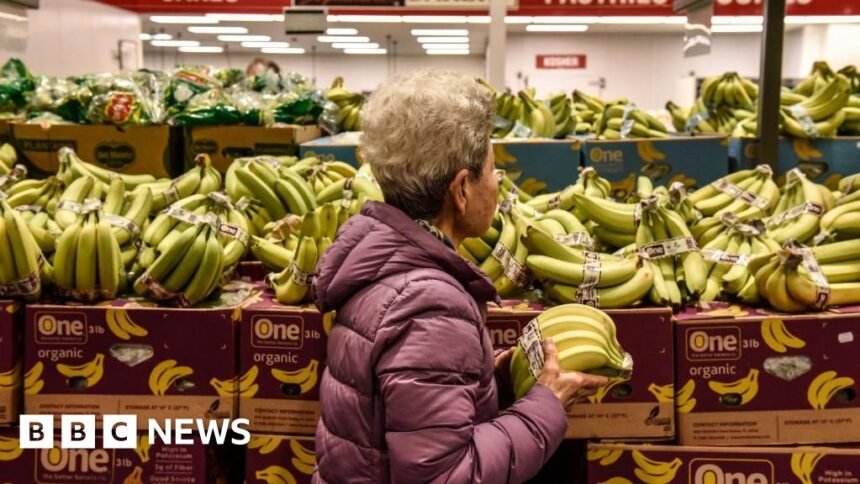
1. **Price Changes**: Consumers may see reduced prices for coffee and bananas in U.S. supermarkets, which could increase demand for these products.
2. **Investment Opportunities**: Companies involved in the importation and distribution of these commodities may experience a surge in business, presenting potential investment opportunities.
3. **Economic Growth**: For the Latin American countries involved, reduced tariffs can lead to increased export volumes, stimulating economic growth and job creation in the agricultural sector.
### Long-term Implications
While the immediate effects may be beneficial, the long-term implications depend on various factors, including the stability of political relations and the global economic climate. A successful trade agreement could lead to further negotiations with other countries, enhancing U.S. market access and competitiveness.
## Actionable Takeaways
For investors and businesses, here are some actionable steps to consider:
1. **Monitor Market Reactions**: Keep an eye on how the stock prices of companies in the coffee and banana supply chains react to the announcement. This can provide insights into market sentiment.
2. **Evaluate Supply Chain Strategies**: Businesses that rely on coffee and bananas should assess their supply chains to capitalize on potential cost savings from tariff reductions.
3. **Stay Informed**: Follow updates on the progress of these trade deals. Changes in negotiations or additional agreements could create new opportunities or risks.
4. **Explore Diversification**: For investors, this could be a good time to explore diversifying portfolios to include companies that may benefit from these trade agreements.
## Conclusion
The Trump administration’s announcement of trade frameworks with four Latin American countries marks a significant shift in U.S. trade policy. By reducing tariffs on key commodities like coffee and bananas, both consumers and producers stand to gain. As the situation unfolds, staying informed and adaptable will be crucial for navigating the potential impacts on the market.