—
## Economic Growth Stalled: A Closer Look at the 0.1% Increase
Recent official figures have revealed a meager economic growth rate of just 0.1%. This slight uptick, while technically positive, is overshadowed by significant challenges within the manufacturing sector. Understanding the interplay between these two elements is crucial for investors and stakeholders in the economy.
### The Manufacturing Sector’s Struggles
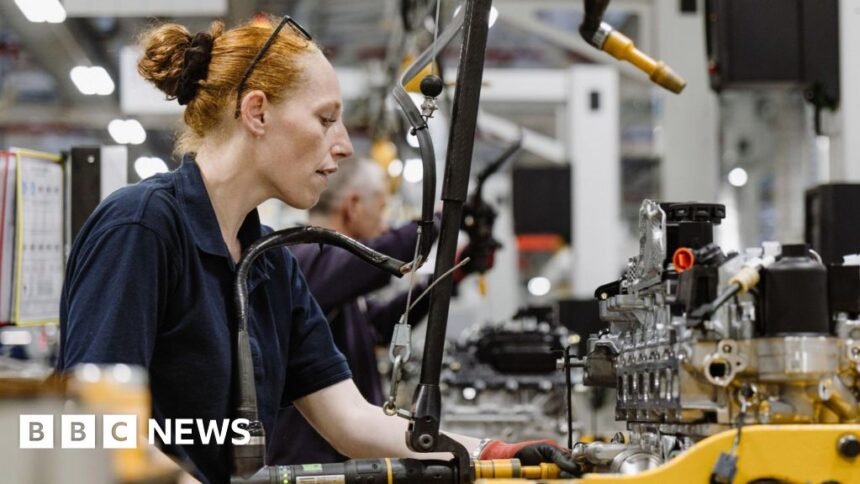
The manufacturing industry has long been a cornerstone of economic stability and growth. However, recent reports indicate that it is facing a multitude of challenges, including supply chain disruptions, rising raw material costs, and labor shortages. These issues have collectively contributed to a slowdown in production, which has a cascading effect on the overall economy.
– **Supply Chain Disruptions**: Ongoing global supply chain issues, exacerbated by geopolitical tensions and the aftermath of the COVID-19 pandemic, have made it difficult for manufacturers to source essential materials.
– **Rising Costs**: The costs of raw materials have surged due to inflation, forcing manufacturers to either absorb the costs or pass them on to consumers, which can dampen demand.
– **Labor Shortages**: Many manufacturers are struggling to find skilled labor, leading to reduced productivity and delays in meeting market demands.
### Cause and Effect: How Manufacturing Impacts Economic Growth
The connection between manufacturing performance and economic growth is direct. When manufacturing output declines, it can lead to reduced GDP growth rates. This is because manufacturing contributes significantly to employment, investment, and consumer spending.
1. **Employment Impact**: Manufacturing jobs are often well-paying and critical for middle-class stability. A downturn can lead to layoffs, reducing household income and consumer spending.
2. **Investment Declines**: Investors may become wary of putting money into a struggling sector, leading to decreased capital investment in new technologies and facilities, further stifling growth.
3. **Consumer Confidence**: Economic growth is also tied to consumer confidence. When manufacturing struggles, consumers may feel uncertain about the economy’s health, leading to reduced spending.
### Actionable Takeaways for Investors
For investors looking to navigate this challenging economic landscape, here are some strategies to consider:
– **Diversify Your Portfolio**: Given the current volatility in the manufacturing sector, consider diversifying your investments across different industries. This can help mitigate risks associated with sector-specific downturns.
– **Focus on Resilience**: Look for companies that have demonstrated resilience during economic downturns. These may include those with strong balance sheets, diversified supply chains, and innovative practices that can adapt to changing conditions.
– **Stay Informed**: Keep a close eye on economic indicators related to manufacturing, such as PMI (Purchasing Managers’ Index) and industrial production reports. These can provide valuable insights into the health of the sector and potential investment opportunities.
– **Consider Defensive Stocks**: In times of economic uncertainty, defensive stocks—companies that provide essential goods and services—often perform better. These can include utilities, consumer staples, and healthcare companies.
### Conclusion: The Road Ahead
While a 0.1% growth rate may seem minimal, it reflects deeper issues within the manufacturing sector that could have broader implications for the economy. Investors should remain vigilant, adapt their strategies, and seek opportunities that align with the current market dynamics. By understanding the causes and effects of manufacturing challenges, stakeholders can better position themselves for potential growth in an uncertain economic landscape.