—
### Understanding the Investment in Power Infrastructure
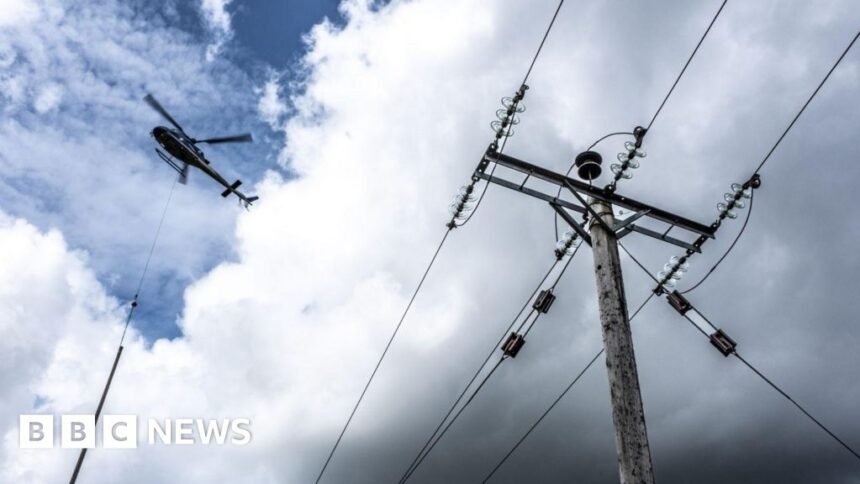
In a pivotal move for the energy sector, a leading company has announced plans to allocate two-thirds of its budget towards upgrading its wiring and expanding high-voltage grid capacity. This strategic investment aims to enhance the efficiency of power distribution from energy-rich northern regions to consumers located in the southern areas.
### What Does Upgrading Wiring Mean?
Upgrading wiring refers to the process of replacing or enhancing existing electrical lines to improve their performance. This can involve using materials that can handle higher voltages and greater loads of electricity. By modernizing these systems, the company can reduce energy losses that occur during transmission, ensuring that more electricity reaches consumers efficiently.
### Why Focus on High-Voltage Grid Capacity?
High-voltage grids are essential for transporting large amounts of electricity over long distances. The northern regions often generate surplus power, particularly from renewable sources like wind and solar. By increasing the capacity of the high-voltage grid, the company can facilitate the transfer of this energy to the south, where demand is typically higher.
#### Causes of the Investment
Several factors are driving this investment:
1. **Increased Energy Demand**: As economies grow, the demand for electricity continues to rise, particularly in urban areas.
2. **Renewable Energy Integration**: The push for cleaner energy sources necessitates a more robust infrastructure to support the influx of renewable energy generation.
3. **Aging Infrastructure**: Many existing power lines were built decades ago and require upgrades to meet modern efficiency and safety standards.
### The Effects on Consumers and the Energy Market
This investment is poised to have several significant effects:
– **Improved Reliability**: By upgrading infrastructure, consumers can expect fewer outages and more consistent power delivery.
– **Lower Energy Costs**: Enhanced efficiency in power transmission may lead to reduced costs for consumers, as less energy is wasted during transit.
– **Environmental Benefits**: Facilitating the transfer of renewable energy can contribute to a decrease in reliance on fossil fuels, aligning with global sustainability goals.
### Actionable Takeaways for Stakeholders
1. **Stay Informed**: Consumers should keep an eye on local energy news to understand how these upgrades may affect their energy bills and service reliability.
2. **Consider Renewable Options**: With an increasing focus on renewable energy, consumers may want to explore options for solar or wind energy installations at home.
3. **Engage with Local Utilities**: Stakeholders, including businesses and residents, should engage with their local utilities to voice concerns or suggestions regarding energy distribution and infrastructure improvements.
### Conclusion
The decision to invest significantly in upgrading power infrastructure reflects a broader trend in the energy sector towards modernization and sustainability. By focusing on high-voltage grid capacity, the company not only addresses immediate energy demands but also lays the groundwork for a more resilient and efficient energy future. For consumers and stakeholders alike, understanding these developments is crucial for adapting to the evolving landscape of energy distribution.