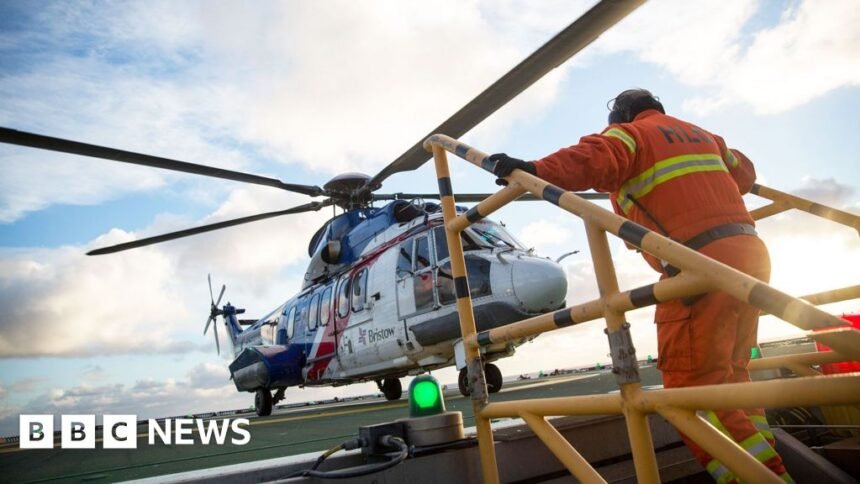
—
### Understanding the Challenge: Helicopter Winch Limitations
In the offshore oil and gas industry, helicopter transport is a critical method for moving workers to and from drilling sites. However, a growing concern has emerged: many offshore workers exceed the weight limits of helicopter winch systems used for lifting and lowering personnel safely. This issue poses significant safety risks and operational challenges for companies in this sector.
### The Cause: Rising Weight Trends
Recent data indicates that the average weight of individuals has increased over the years. This trend is not just a health concern but also a logistical one for offshore operations. Helicopter winch systems have specific weight restrictions to ensure safety during transport. Exceeding these limits can lead to operational inefficiencies, increased costs, and potential safety hazards.
### The Effect: Operational and Safety Risks
When helicopter winch systems are unable to accommodate heavier workers, several negative outcomes can arise:
1. **Increased Downtime**: Operations may halt while companies seek alternative transportation methods. This downtime can lead to significant financial losses.
2. **Safety Hazards**: Overloading winch systems can compromise safety protocols, putting both workers and pilots at risk during transport.
3. **Regulatory Compliance Issues**: Companies may face scrutiny from regulatory bodies if they fail to adhere to safety standards related to weight limits.
### Actionable Takeaways for the Industry
To mitigate the risks associated with helicopter winch weight limitations, companies can consider the following strategies:
1. **Implement Weight Management Programs**: Encourage workers to participate in health and wellness initiatives aimed at maintaining a healthy weight. This proactive approach can help ensure compliance with safety regulations.
2. **Invest in Upgraded Equipment**: Explore advanced helicopter models or winch systems with higher weight capacities. Investing in modern technology can improve operational efficiency and enhance safety measures.
3. **Develop Alternative Transportation Solutions**: Consider diversifying transportation methods. For example, utilizing boats or other vehicles for heavier personnel could alleviate the pressure on helicopter systems.
4. **Conduct Regular Safety Training**: Ensure that all personnel are aware of the weight limitations and the importance of adhering to safety protocols. Regular training sessions can reinforce the significance of these measures.
5. **Engage with Regulatory Bodies**: Stay informed about changes in safety regulations and engage with authorities to advocate for industry standards that reflect current workforce demographics.
### Conclusion: A Call to Action
The weight limitations of helicopter winch systems present a significant challenge for the offshore industry. By understanding the causes and effects of this issue, companies can take actionable steps to enhance safety and operational efficiency. Investing in health programs, upgrading equipment, and diversifying transportation methods will not only improve compliance but also foster a safer working environment for offshore workers. The time for proactive measures is now—addressing these challenges head-on can lead to a more resilient and efficient offshore industry.