**SEO_TITLE:** Understanding Housing Assistance: Key States and Trends in Rental Aid
**META_DESC:** Explore the states where housing assistance is most needed, the factors driving demand, and actionable insights for investors and policymakers in the real estate sector.
**TAGS:** housing assistance, rental aid, U.S. housing market, real estate investment, federal housing programs, low-income housing, economic trends
—
## The Growing Need for Housing Assistance in the U.S.
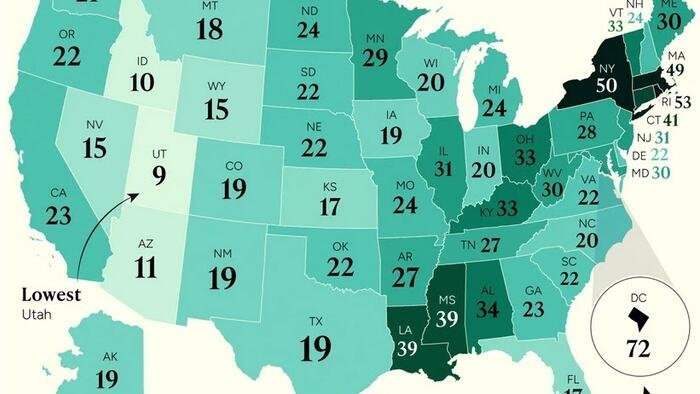
As housing costs continue to outpace wage growth in many regions of the United States, an increasing number of Americans find themselves in need of housing assistance. A recent analysis by the U.S. Department of Housing and Urban Development (HUD) reveals that over 9 million Americans—approximately 27 per 1,000 residents—are currently receiving federal housing assistance, which includes vouchers and public housing. This situation poses significant implications for both the real estate market and policymakers.
### Understanding Housing Assistance
Housing assistance primarily comes in two forms: vouchers and public housing. Vouchers allow low-income households to pay only 30% of their adjusted income on rent, with the government covering the remaining costs. This system aims to alleviate financial pressure on renters, but as the data shows, many still struggle to afford housing.
### Key States in Need of Assistance
A closer look at the data reveals the states with the highest rates of housing assistance:
1. **District of Columbia (DC)**: With 72 assisted renters per 1,000 residents, DC leads the nation in housing assistance. This high rate can be attributed to soaring housing costs and limited housing supply, exacerbated by population growth.
2. **Puerto Rico**: Following closely, Puerto Rico has 61 assisted renters per 1,000 residents. The territory faces unique challenges, including limited job opportunities and rebuilding efforts post-hurricane.
3. **Rhode Island**: At 53 per 1,000 residents, Rhode Island’s high need for assistance is starkly illustrated by a study showing that minimum wage workers must work 85 hours a week to afford a two-bedroom apartment.
These figures highlight critical areas for investors and policymakers who are looking to address the housing crisis.
### The Broader Landscape of Housing Assistance
About half of U.S. states report between 20 to 30 assisted renters per 1,000 residents. States like Minnesota (29) and Michigan (24) fall within this range, while states such as Idaho (10) and Utah (9) report the lowest rates. Interestingly, these lower figures often reflect higher homeownership rates and younger demographics.
However, a low number of assisted renters does not necessarily indicate a lack of need. It can also signify long waitlists or strict eligibility requirements that leave many households without support.
### Implications for Investors and Policymakers
The need for housing assistance presents both challenges and opportunities. For investors, understanding the dynamics of housing assistance can guide decisions on where to allocate resources. Areas with high rates of rental assistance may benefit from investments in affordable housing projects.
For policymakers, the data underscores the urgent need for action. Expanding housing assistance programs, easing eligibility requirements, and increasing the supply of affordable housing are essential steps to address the growing crisis.
### Actionable Takeaways
1. **Invest Wisely**: Real estate investors should consider regions with high demand for rental assistance as potential hotspots for affordable housing development.
2. **Advocate for Policy Change**: Engage with local policymakers to push for reforms that expand housing assistance and improve access for low-income families.
3. **Stay Informed**: Keep abreast of changes in housing assistance programs and economic conditions to make informed decisions.
4. **Community Engagement**: Collaborate with local organizations focused on housing issues to better understand community needs and align investments accordingly.
In conclusion, the landscape of housing assistance in the U.S. is a critical area of focus for both investors and policymakers. By understanding the data and its implications, stakeholders can work towards solutions that address the pressing need for affordable housing.