—
## The Resurgence of Nuclear Weapons Testing: A New Era of Tensions
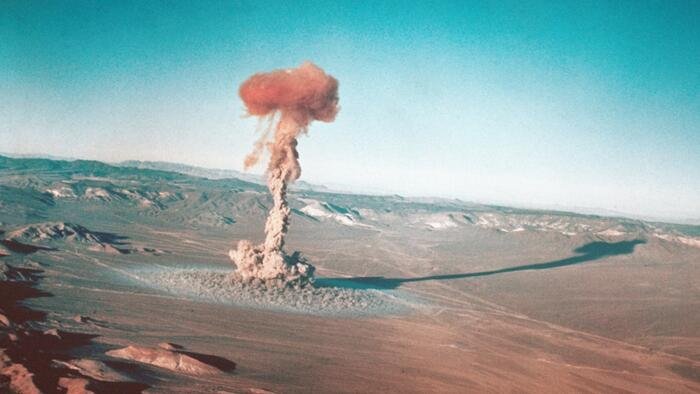
In a surprising announcement, President Donald Trump declared that the United States would resume nuclear weapons testing for the first time since 1992. This decision comes in the wake of escalating tensions with Russia, particularly following their recent nuclear-capable missile tests. Understanding the implications of this move is crucial for investors and policymakers alike.
## The Context: Why Now?
### Recent Developments in Russia
The catalyst for Trump’s directive appears to be Russia’s recent demonstration of military capabilities, including the successful test of a nuclear-capable cruise missile, the Burevestnik, and an underwater drone named Poseidon. These tests highlight advancements in Russia’s nuclear arsenal, which aim to enhance their strategic deterrent capabilities. The Kremlin has emphasized that these developments are not classified as nuclear weapon tests under international treaties, despite their nuclear propulsion systems.
### The US Response
In a statement on Truth Social, Trump indicated that the US must test its nuclear weapons to maintain parity with “other countries’ testing programs.” This announcement raises several questions about the nature of the tests and the potential for detonating nuclear warheads, which would mark a significant escalation in global military posturing.
## Implications for Global Stability
### Risk of Escalation
The resumption of nuclear testing by the US could lead to an arms race, reminiscent of the Cold War era. If both nations begin detonating nuclear warheads, it could create a precarious situation with severe consequences for global security. The rhetoric surrounding nuclear capabilities has already intensified, particularly in light of ongoing conflicts, such as the proxy war in Ukraine.
### Economic Considerations
For investors, these geopolitical tensions can have immediate effects on financial markets. Companies in the defense sector may see increased investment and stock price appreciation as governments ramp up military spending. Conversely, heightened tensions can lead to market volatility, affecting sectors such as energy and international trade.
## What Should Investors Do?
### Monitor Defense Stocks
Investors should closely monitor defense-related stocks, as increased military spending can lead to significant gains in this sector. Companies involved in nuclear technology and missile defense systems could see a surge in demand.
### Stay Informed on Policy Changes
Keep an eye on policy developments from both the US and Russia. Changes in military strategy or arms control agreements can have far-reaching implications for global markets. Understanding these dynamics will be crucial for making informed investment decisions.
### Consider Diversification
Given the potential for increased volatility in response to geopolitical tensions, investors may want to diversify their portfolios. This could involve balancing exposure to defense stocks with investments in more stable sectors or assets that traditionally perform well during periods of uncertainty, such as gold or utilities.
## Conclusion: A Call for Caution
The announcement of resumed nuclear testing by the US amidst escalating tensions with Russia serves as a stark reminder of the delicate balance of global power. While the implications for defense spending and market dynamics may present opportunities, the overarching threat of nuclear escalation should not be underestimated. Investors and policymakers alike must navigate this complex landscape with caution and foresight.